You’ve probably heard the buzz. Maybe a friend lost twenty pounds in six months without touching a salad bar, or your doctor suddenly started talking about "incretins" during your last check-up. It’s not magic, and it’s not just hype. GLP-1 receptor agonists are a class of medications that have fundamentally shifted how we treat type 2 diabetes and obesity. Originally designed to help people with diabetes manage their blood sugar, these drugs turned out to be incredibly effective at helping patients lose significant amounts of weight, too.
If you’re living with type 2 diabetes, struggling with weight, or both, you might be wondering what all the fuss is about. Do they actually work? How do they lower your A1C? And why does everyone seem to be injecting themselves once a week? Let’s break down exactly how these medications function, what the data says, and what you should realistically expect if you decide to try them.
What Are GLP-1 Receptor Agonists?
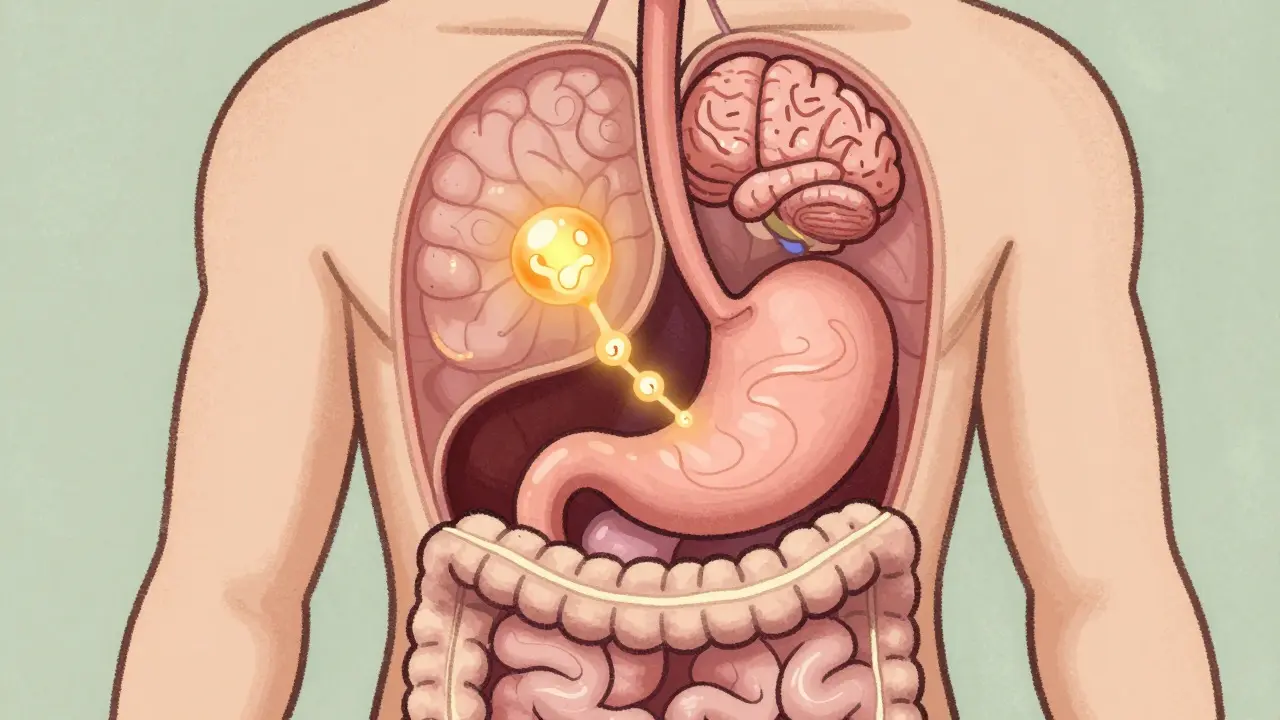
To understand the drug, you first need to understand the hormone it mimics. When you eat, cells in your small intestine release a hormone called glucagon-like peptide-1 (GLP-1). This natural incretin hormone tells your brain you’re full, slows down digestion, and prompts your pancreas to release insulin when blood sugar rises. But nature’s version of GLP-1 disappears quickly-within minutes.
GLP-1 receptor agonists are synthetic versions of this hormone that last much longer in your body. Instead of lasting a few minutes, they stick around for hours or even days, depending on the specific medication. By activating GLP-1 receptors throughout your body, they amplify the effects of the natural hormone. The most well-known names in this family include semaglutide (sold as Ozempic for diabetes and Wegovy for weight loss), liraglutide (Victoza/Saxenda), and dulaglutide (Trulicity).
These aren’t new inventions. Exenatide was the first approved back in 2005, but recent generations like semaglutide and tirzepatide (a dual GIP/GLP-1 agonist) have shown dramatically higher efficacy. We are currently seeing a market projected to hit $48 billion by 2028 because these drugs address two massive health crises simultaneously: high blood sugar and excess weight.
The Double Hit: A1C Reduction and Weight Loss
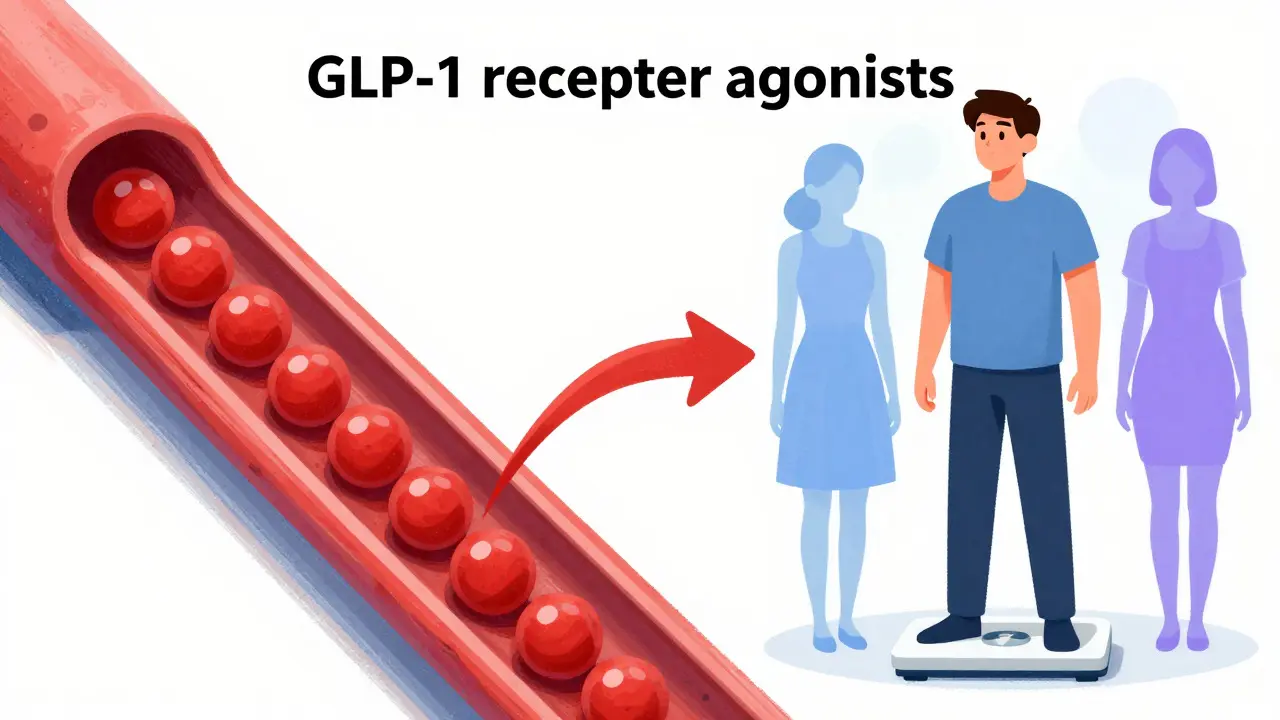
Most diabetes medications force you to choose between controlling your blood sugar and gaining weight. Insulin, for example, lowers glucose effectively but often leads to weight gain. Sulfonylureas can cause hypoglycemia and add pounds. GLP-1 receptor agonists flip this script. They lower A1C levels while actively promoting weight loss.
How much? Clinical trials show average A1C reductions of 1.0% to 1.8%. For someone starting with an A1C of 9%, dropping to 7.2% is a huge win for long-term health. Simultaneously, patients typically lose between 5% and 15% of their initial body weight. In some cases, like with high-dose semaglutide, losses exceed 15%.
| Medication | Brand Names | Dosing Frequency | Avg. A1C Reduction | Avg. Weight Loss |
|---|---|---|---|---|
| Semaglutide | Ozempic / Wegovy | Once Weekly | 1.5-1.8% | 10-15% |
| Liraglutide | Victoza / Saxenda | Daily | 1.0-1.2% | 5-8% |
| Dulaglutide | Trulicity | Once Weekly | 1.0-1.5% | 3-6% |
| Tirzepatide* | Mounjaro / Zepbound | Once Weekly | Up to 2.0% | 15-20% |
This dual benefit is why guidelines from organizations like the American Diabetes Association now recommend these drugs early in treatment plans for patients who also struggle with obesity. You aren’t just managing a number; you’re improving metabolic health across the board.
How They Work: The Mechanism Behind the Results
You might think weight loss comes from simply burning more calories, but GLP-1s work differently. They target three main areas: the gut, the pancreas, and the brain.
First, they slow down gastric emptying. Normally, food moves from your stomach to your intestines at a steady pace. GLP-1s delay this process by 15-30%. This means nutrients enter your bloodstream slower, preventing those sharp spikes in blood sugar after meals. Because your stomach stays fuller for longer, you feel satiated sooner and stay satisfied for hours.
Second, they act on the pancreas. These drugs stimulate insulin secretion only when blood sugar is high-a smart mechanism that reduces the risk of low blood sugar (hypoglycemia). At the same time, they suppress glucagon, a hormone that tells your liver to dump stored sugar into the blood. Less glucagon means less unnecessary sugar production.
Third, and perhaps most importantly for weight loss, they talk to your brain. Specifically, they interact with the hypothalamus, the region responsible for hunger regulation. Research shows GLP-1s activate neurons that signal fullness (POMC/CART) and inhibit those that signal hunger (NPY/AgRP). Users often describe this as a "quieting of the food noise." One patient on a health forum noted, "I no longer crave sugar or junk food-it’s like my brain rewired itself." This isn’t willpower; it’s neurochemistry.
Real-World Expectations and Side Effects
No medication is perfect, and GLP-1s are no exception. The most common complaint involves gastrointestinal issues. Nausea affects about 15-20% of users, while vomiting occurs in roughly 5-10%. Diarrhea and constipation are also frequent, especially during the first few weeks or when increasing the dose.
Why does this happen? Because your gut has slowed down. If you eat a large meal or something very fatty while your stomach is still processing the previous bite, things can get uncomfortable. Most side effects diminish over time as your body adjusts.
Titration-the gradual increase of dosage-is crucial. You don’t start at the maximum dose. For semaglutide, you might begin at 0.25 mg weekly for four weeks, then move up step-by-step over several months until reaching the therapeutic dose (e.g., 1.0 mg for diabetes or 2.4 mg for weight loss). Rushing this process usually results in severe nausea. Patience pays off here.
Another reality check: these drugs require ongoing use. Studies indicate that if you stop taking them, you regain 50-70% of the lost weight within a year. They manage the condition; they don’t cure it. Think of them as a lifelong tool for many, similar to blood pressure medication.

Who Should Consider Them?
Not everyone needs a GLP-1. Typically, doctors prescribe them for:
- Adults with type 2 diabetes who haven’t reached their A1C goals with metformin alone.
- Individuals with obesity (BMI ≥30) or overweight (BMI ≥27) with at least one weight-related condition like hypertension or sleep apnea.
- Patients with established cardiovascular disease, given evidence that certain GLP-1s reduce heart attack and stroke risks.
Cost and access remain hurdles. Without insurance, prices can range from $800 to $1,200 per month in the US. Medicare Part D covers many of these drugs, but prior authorization is almost always required, often proving you tried other methods first. Supply chain shortages have also made availability spotty in recent years, though manufacturers are ramping up production.
Beyond Diabetes: Emerging Benefits
The research doesn’t stop at blood sugar and weight. Scientists are investigating GLP-1s for other conditions. Early trials suggest benefits for non-alcoholic fatty liver disease (NAFLD), where semaglutide reduced liver fat significantly compared to placebo. There’s also promising data regarding heart failure with preserved ejection fraction (HFpEF), showing improved exercise capacity and symptom relief.
Some researchers are even looking at neuroprotection, exploring whether these drugs could help prevent Alzheimer’s disease. While these applications are still under investigation, they highlight the systemic impact of targeting the GLP-1 pathway. It’s not just a gut drug; it’s a whole-body metabolic regulator.
If you’re considering this path, talk to your endocrinologist or primary care provider. Discuss your medical history, current medications, and realistic goals. Ask about insurance coverage before committing. And remember, these drugs work best alongside lifestyle changes-not instead of them. Eating nutrient-dense foods and staying active helps maximize the benefits and minimize side effects.
Do GLP-1 receptor agonists cause hair loss?
Rapid weight loss from any cause, including GLP-1s, can sometimes lead to temporary hair shedding known as telogen effluvium. This is usually reversible once weight stabilizes and nutrition is optimized. Ensuring adequate protein intake during treatment can help mitigate this risk.
Can I take GLP-1s if I don't have diabetes?
Yes, specific formulations like Wegovy (semaglutide) and Zepbound (tirzepatide) are FDA-approved for chronic weight management in adults with obesity or overweight with comorbidities, regardless of diabetes status. However, insurance coverage for non-diabetic weight loss can be stricter than for diabetes treatment.
What happens if I miss a weekly injection?
If you miss a dose of a weekly GLP-1 like semaglutide, take it as soon as possible within 5 days. If more than 5 days have passed, skip the missed dose and resume your regular schedule. Never double up on doses to make up for a missed one, as this increases the risk of side effects.
Are GLP-1 injections painful?
Most patients report minimal pain. The needles are very fine, and the injection volume is small. Many find it easier than daily injections. Anxiety about needles is common initially, but proficiency improves quickly with practice. Some users inject into the abdomen or thigh, rotating sites to avoid irritation.
Will I regain weight if I stop taking the medication?
Studies show that stopping GLP-1 therapy often leads to weight regain. On average, patients regain more than half of the lost weight within a year after discontinuation. This suggests that obesity is a chronic condition requiring long-term management, similar to hypertension or high cholesterol.
Lolo Del
August 30, 2026 AT 09:06It’s wild how much the landscape has changed in just five years. I remember when these were niche drugs for severe cases and now they’re everywhere. The data on A1C reduction is solid but the weight loss numbers are what really grab attention.
fred eden
August 30, 2026 AT 09:18My mom started Ozempic last year and it genuinely helped her regain some confidence 🥺❤️ She struggled with type 2 diabetes for so long and finally feels like she has control again. It’s not a magic wand but it’s been a huge relief for our family 😊
Patrick van der Velde
August 31, 2026 AT 09:06One must consider the socioeconomic implications here. These medications are essentially becoming status symbols rather than purely medical interventions. The pharmaceutical companies have successfully marketed a lifestyle change as a quick fix, ignoring the root causes of metabolic dysfunction which are largely societal and dietary failures we collectively ignore. It is pretentious to think a weekly injection solves the crisis of modern gluttony without addressing the underlying behavioral patterns that led to the diagnosis in the first place.
Thhomas Fox
August 31, 2026 AT 16:22Real talk though: access is the biggest barrier. $1k a month is insane for most folks even with insurance copays. We need generic options or price caps before this becomes truly equitable healthcare.
Sarah Kinch
September 2, 2026 AT 02:37yeah well good luck affording it if you dont have a corporate job with good benefits. its basically a rich person drug right now lol
Eryn Manchego
September 2, 2026 AT 04:24honestly the "food noise" quieting thing is underrated... it changes ur entire relationship with eating. no more doom scrolling through recipes at 2am craving sugar bombs. its peaceful af.
Crystal Torres
September 3, 2026 AT 17:08The mechanism regarding gastric emptying is fascinating from a physiological standpoint. However, I am concerned about the long-term dependency issues. If patients stop taking the medication, the rebound effect seems severe. Are there any studies on tapering off these drugs while maintaining lifestyle modifications?
larry williams
September 5, 2026 AT 11:05I appreciate your concern Crystal because it is valid and important to discuss. From my perspective as someone who has coached many individuals through health transitions the key lies in building sustainable habits alongside the medication. Think of the GLP-1 agonist as training wheels for your metabolism allowing you to establish new neural pathways related to satiety and hunger cues. Once those pathways are strengthened through consistent practice and nutritional awareness many people find they can maintain results with lower doses or potentially discontinue use under strict medical supervision. It is not about permanent dependence but rather using the tool to reset a broken system and then gradually stepping back as the body learns to regulate itself again.
Pearl Richardson
September 7, 2026 AT 05:12They don’t want you to know this but Big Pharma is hiding the real cost of long term usage. 🤫💸 The side effects list is longer than the benefits in some reports. Nausea is just the tip of the iceberg. What about thyroid tumors? What about pancreatitis? They rush these approvals because profits matter more than safety. 🧐📉
Stephen Horn
September 8, 2026 AT 20:36While Pearl raises points often cited by laymen, the clinical trials for semaglutide and tirzepatide involved tens of thousands of participants over several years. The risk-benefit profile is heavily skewed toward benefit for indicated populations. To dismiss this based on anecdotal fear-mongering ignores the rigorous peer-reviewed data. Furthermore, the supply chain issues are logistical, not conspiratorial. Manufacturers are scaling up production facilities globally. One should rely on evidence-based medicine rather than internet folklore when discussing complex pharmacological interventions.
Vivek Chaturvedi
September 10, 2026 AT 16:01we should be ashamed that we need a pill to eat less. humans used to walk miles and work hard. now we sit in chairs and complain about obesity. shame on us.
hareesh kumar
September 11, 2026 AT 15:37Wait wait wait hold on a sec!! Did anyone else notice that the article mentions hair loss?? Thats HUGE and they buried it in the FAQ!!! I read somewhere that rapid weight loss causes telogen effluvium but is it permanent??? Also why are they pushing this so hard now?? Is it connected to the mental health crisis?? Because honestly if you cant feel hunger do you even feel alive?? Its suspicious man very sus!!!
Venkatesan V.K.
September 12, 2026 AT 08:53Hareesh, please calm down. Telogen effluvium is temporary and reversible. The article states this clearly. Your panic is unwarranted and distracts from the actual medical utility of the drug.
Tobi Oyewole
September 14, 2026 AT 00:09I believe we must approach this topic with nuance. While Vivek highlights the historical context of human activity levels, it is undeniable that modern environmental factors such as ultra-processed foods and sedentary jobs create an obesogenic environment that is difficult to overcome solely through willpower. Therefore viewing GLP-1s as a necessary medical intervention rather than a moral failing is a more compassionate and scientifically accurate stance. We should respect individual choices regarding treatment while advocating for systemic changes in food policy.
Gurjit Singh
September 15, 2026 AT 10:55In India these drugs are still quite expensive for the average middle-class family. Even with government schemes coverage is inconsistent. It feels like healthcare innovation is moving faster than accessibility. We need local manufacturing to drive costs down significantly before this becomes a viable option for the masses.