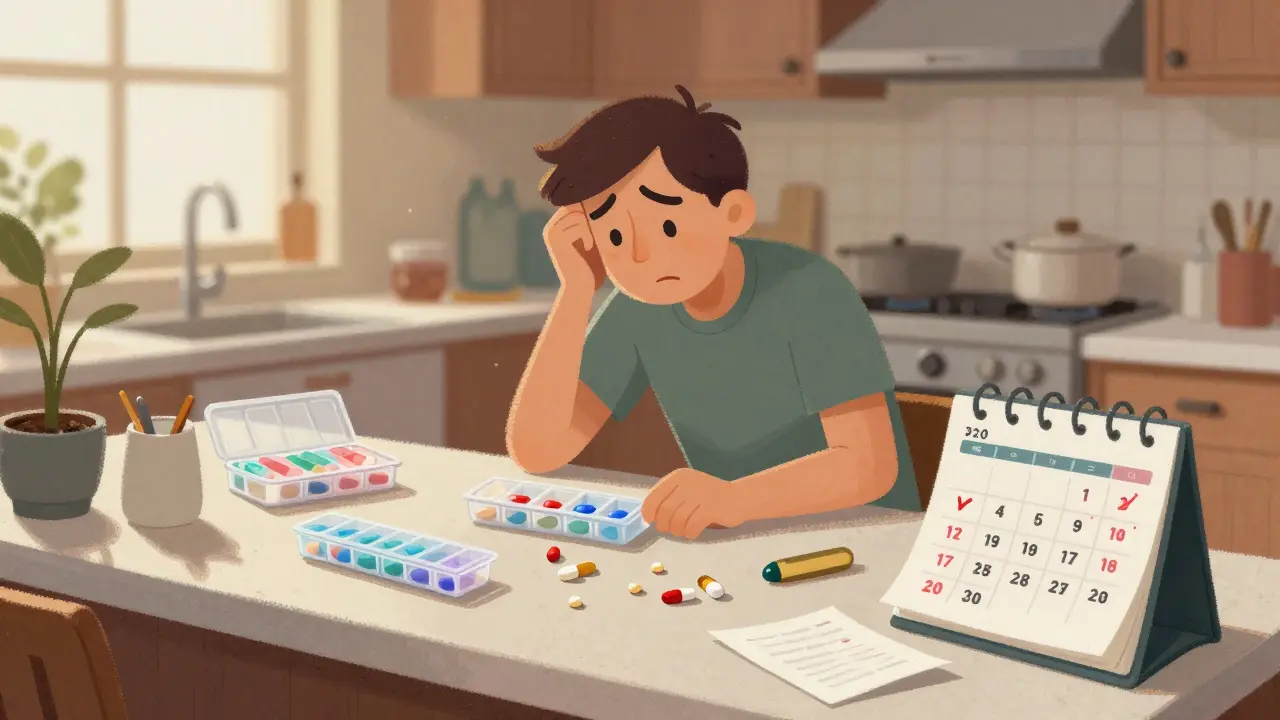
Forget taking a pill. It sounds simple, right? Just pop it in your mouth with water. But for millions of people managing chronic conditions like diabetes, hypertension, or HIV, that simple act is the hardest part of their day. The World Health Organization estimates that roughly half of all patients with long-term illnesses don't take their medicine as prescribed. This isn't usually because they don't care; it's because life gets busy, routines break, and memory fails. This gap between prescription and practice costs the US healthcare system an estimated $300 billion annually. That’s money wasted on hospitalizations and complications that could have been avoided.
Enter the smartphone. With 97% of US adults owning one, this device has become the most accessible medical tool in history. Medication adherence apps and digital timers are no longer just novelty features; they are critical interventions designed to bridge the gap between knowing what to take and actually taking it. These tools leverage reminders, tracking, and education to turn a chaotic routine into a manageable habit. But do they actually work, and which ones should you trust?
How Digital Tools Beat Traditional Methods
Before smartphones, we relied on plastic pill organizers and electronic medicine boxes. Pill organizers are cheap but offer zero accountability if you forget to check them. Electronic boxes, like the MedMinder or Hero systems, log when a lid opens, but they cost between $30 and $50 per month and require separate hardware. They also lack context-they can't tell you why you missed a dose or warn you about drug interactions.
Medication adherence apps change the game by combining convenience with data. A 2025 meta-analysis published in JMIR reviewed 14 randomized controlled trials (RCTs) and found that app-based interventions consistently outperformed traditional methods. Specifically, mobile apps showed a mean difference improvement in adherence scores of 0.57 on the Morisky Medication Adherence Scale (MMAS-8). To put that in perspective, apps outperformed SMS text reminders, which had a lower effect size (Cohen's d=0.31 vs 0.52 for apps), and beat standard pill organizers by 22.7% in adherence rates according to an Alex Therapeutics review.
The core advantage is accessibility. You already carry your phone. You don't need to charge a second device or buy a subscription to a hardware service. Most effective apps run on iOS 12+ or Android 8.0+, requiring no specialized equipment. They provide multimodal engagement: a reminder buzzes, you log the dose, and the app tracks your progress over time. This creates a feedback loop that reinforces positive behavior far better than a silent plastic box ever could.
| Tool Type | Average Monthly Cost | Effectiveness (Adherence Improvement) | Key Limitation |
|---|---|---|---|
| Medication Adherence Apps | $0 - $5 | High (Mean diff 0.57 on MMAS-8) | Requires smartphone access & battery |
| Electronic Medicine Boxes | $30 - $50 | Moderate | High cost, separate hardware needed |
| SMS Reminders | $0 - $2 | Low-Moderate (Cohen's d=0.31) | No tracking, passive only |
| Pill Organizers | $5 - $15 (one-time) | Baseline | No data, easy to ignore |
Essential Features of Effective Adherence Apps
Not all apps are created equal. Scrolling through the app store reveals hundreds of options, but research highlights specific features that drive success. According to the same JMIR 2025 analysis, the most effective apps share a common DNA:
- Customizable Reminders: Found in 92.3% of top-rated apps. These aren't just alarms; they allow you to set snooze intervals, repeat patterns, and even link doses to daily activities like "after breakfast."
- Digital Medication Logs: Present in 85.7% of apps. Logging creates a record you can share with your doctor. If your blood pressure is high, you can check if you missed a dose last week.
- Progress Tracking Dashboards: Seen in 87.1% of apps. Visual charts showing streaks or monthly adherence percentages motivate users to keep their habits intact.
- Educational Content: Available in 78.6% of apps. Understanding why you take a medication improves compliance. These libraries explain side effects and benefits in plain language.
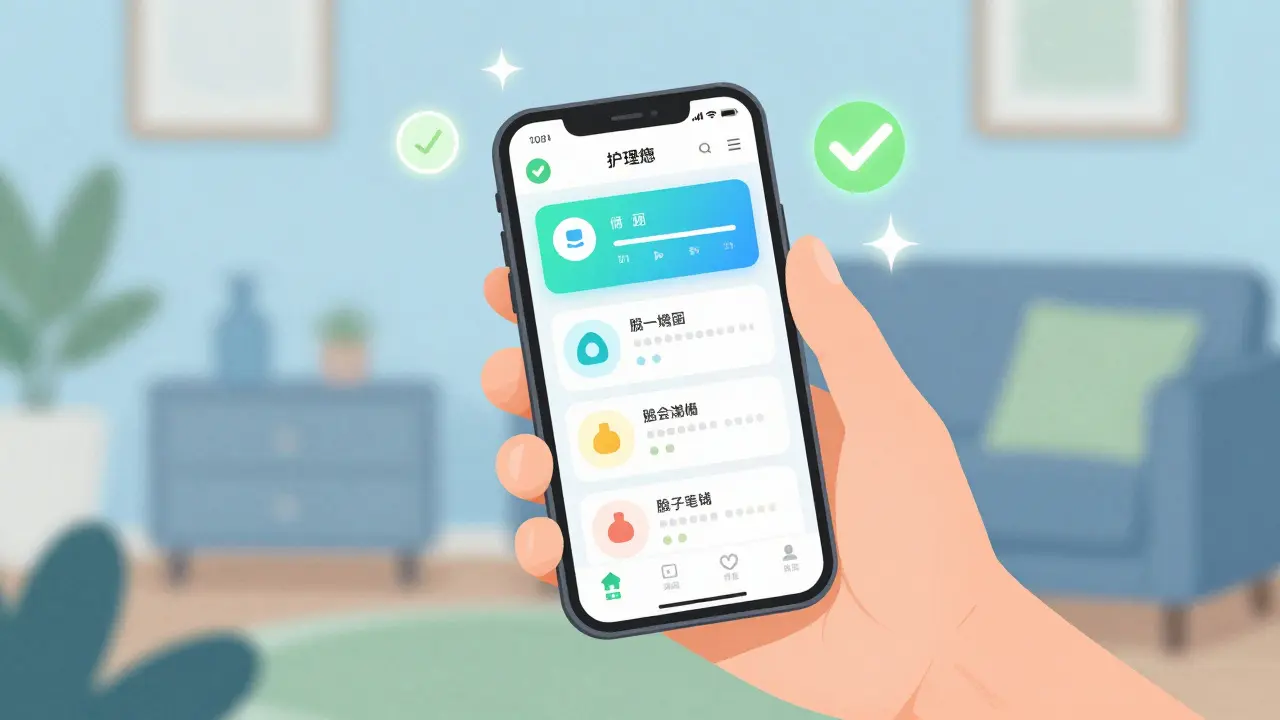
Beyond basics, look for integration capabilities. Leading platforms like Medisafe offer connectivity with Electronic Health Records (EHR) using HL7/FHIR standards. This means your pharmacy can automatically refill prescriptions when the app detects you're running low. Security is also paramount. Since these apps handle sensitive health data, ensure they use end-to-end encryption and biometric authentication. Note that only 64.3% of apps in recent studies documented specific security measures, so checking the privacy policy is non-negotiable.
Market Leaders and User Experience
The medication adherence app market grew to $1.28 billion in 2024, driven by demand from both patients and employers. Currently, Medisafe dominates with a 28.3% market share, followed by MyTherapy at 19.7% and Round Health at 14.2%. Why do these lead? Because they focus on user experience.
Setup time matters. Usability testing shows that while younger users (18-45) master these apps in about 18 minutes, older adults (65+) may need up to 42 minutes for initial configuration. The best apps simplify this process, requiring only basic smartphone navigation and literacy at a 6th-grade reading level. Once set up, the value becomes clear. On Reddit’s r/medapps community, users frequently report tangible health improvements. One user noted their HbA1c levels dropped from 8.2 to 6.9 after six months of consistent use with Medisafe for diabetes management.
However, user feedback also highlights pitfalls. Notification fatigue is real-32.4% of dissatisfied users cite too many alerts as a reason for quitting. Complex onboarding processes frustrate another 27.8% of negative reviewers. To combat this, successful implementations often use iOS or Android "Focus Modes" to group notifications, ensuring you get reminded without being overwhelmed.

The Digital Divide and Accessibility Challenges
While apps are powerful, they are not a universal solution. Dr. Michael Rodriguez of UCSF cautions that we must address the digital divide. Adoption rates stand at 38.7% among commercially insured patients with chronic conditions but drop sharply to 19.2% in Medicaid populations. For those without reliable smartphone access or digital literacy, these tools are useless.
Studies note a 15-20% exclusion rate in medically underserved populations due to technology barriers. In rural areas or developing regions, infrastructure limitations can render these apps ineffective. A trial in rural India reported only marginal benefits compared to significant improvements seen in Iran-based studies, highlighting how local context impacts success. If you are recommending an app to an elderly parent or a patient with limited tech skills, consider pairing the app with a caregiver account. Many leading apps allow family members to receive alerts if a dose is missed, providing a safety net for those who might otherwise fall through the cracks.
Future Trends: AI and Personalization
The next wave of medication adherence tools is getting smarter. In January 2024, Medisafe launched an "Adherence Coach" powered by machine learning. This feature predicts when you are likely to miss a dose based on your historical behavior and intervenes proactively, achieving 83.7% accuracy in beta testing. This shift from reactive reminders to predictive support marks a major evolution in digital health.
Regulatory milestones are also shaping the landscape. In March 2024, the FDA cleared Wellthy Therapeutics' HTN app as a prescription digital therapeutic for hypertension. This signals that adherence apps are moving from general wellness tools to recognized medical devices. Looking ahead, expect voice-activated management (like Google Health's prototype "Med Buddy") and blockchain-based verification for clinical trials. By 2027, Gartner predicts 75% of solutions will incorporate biometric feedback loops, further personalizing the experience.
Despite these advancements, sustainability remains a challenge. Research indicates that adherence drops by 35-40% after three months without additional support mechanisms. The initial excitement wears off. To maintain long-term success, combine app usage with regular check-ins with healthcare providers and integrate the tool into your broader lifestyle routine rather than treating it as a standalone fix.
Are medication adherence apps free to use?
Most major apps like Medisafe and MyTherapy offer robust free versions that include reminders, logging, and basic tracking. Premium tiers, typically costing around $4.99/month, often add advanced features like family sharing, detailed analytics, and priority customer support. For most users, the free version provides sufficient functionality to improve adherence significantly.
Do these apps work for complex medication regimens?
Yes, they excel here. Apps are particularly effective for complex schedules, such as HIV treatment requiring 95%+ adherence or multiple daily doses for autoimmune conditions. They can manage different frequencies (e.g., "every 8 hours" vs. "twice daily") and flag potential drug interactions, reducing the cognitive load on the patient.
Is my health data safe in these apps?
Reputable apps comply with HIPAA regulations and use end-to-end encryption. However, only 64.3% of apps in recent reviews explicitly documented their security measures. Always check the privacy policy, enable biometric login (FaceID/Fingerprint), and avoid apps that sell data to third parties. Stick to well-known brands with transparent security practices.
What if I forget to log my dose after taking it?
Most apps allow you to retroactively log a dose within a certain window (e.g., 1-2 hours). While this doesn't trigger a missed-dose alert, it keeps your adherence statistics accurate. Some premium apps offer "smart detection" where shaking the phone or scanning a barcode confirms ingestion, reducing the need for manual entry.
Can caregivers monitor my medication adherence?
Yes, most top-tier apps include a "Caregiver" or "Family" feature. You can grant permission for a trusted person to receive notifications if you miss a dose. This is especially valuable for elderly patients or those with cognitive impairments, providing an extra layer of safety and peace of mind for families.