
A medication overdose is not just a bad trip or a moment of poor judgment. It is a medical emergency that kills people every single day. In the United States alone, more than 107,000 people died from drug overdoses in 2022. That number keeps climbing because the drugs on the street are stronger, unpredictable, and often mixed with deadly synthetic opioids like fentanyl. The scary part? You don't need to be an addict to face this risk. Accidental overdoses happen to people who take prescription painkillers, sleep aids, or even over-the-counter cold medicine incorrectly.
Recognizing the signs early can mean the difference between life and death. If you see someone struggling, seconds count. This guide breaks down exactly what to look for, how different drugs affect the body, and what you must do immediately if you suspect an overdose. Knowledge here isn't just helpful; it's potentially lifesaving.
The General Warning Signs: What Does an Overdose Look Like?
While every substance affects the body differently, there are universal red flags that indicate a person’s system is overwhelmed. These symptoms often appear together and escalate quickly. According to data from the Substance Abuse and Mental Health Services Administration (SAMHSA), nearly 80% of non-fatal overdoses involve nausea and vomiting. But it goes deeper than just feeling sick.
- Altered Mental Status: Confusion, agitation, paranoia, or hallucinations. About 63% of emergency room visits for prescription misuse involve some form of altered consciousness.
- Physical Collapse: Loss of balance, coordination, or ability to stand. The person may slump over or fall unexpectedly.
- Respiratory Distress: Difficulty breathing, shallow breaths, or erratic patterns. This is the most immediate threat to life.
- Cardiovascular Instability: A pulse that is too slow (below 60 beats per minute) or dangerously fast (above 100 bpm). Erratic heartbeats are common.
- Skin Changes: Pale, clammy skin or blue-tinged lips and fingernails (cyanosis). Blue discoloration means oxygen levels have dropped below 90%, signaling severe hypoxia.
If you see these signs, do not wait to see if they "get better." Call emergency services immediately. In the U.S., dial 911. In Australia, call triple zero (000). Time is your enemy.
Opioid Overdose: The Silent Killer
Opioids are responsible for the vast majority of overdose deaths. Synthetic opioids, primarily fentanyl, were involved in over 73,000 deaths in 2022. Fentanyl is up to 100 times more potent than morphine, meaning a dose as small as two grains of salt can kill an adult. Because opioids depress the central nervous system, they slow down vital functions until they stop entirely.
Medical professionals refer to the "Opioid Triad" as the definitive sign of an opioid overdose. If you see all three, act instantly:
- Pinpoint Pupils: The pupils constrict to 1-2mm in diameter, looking like tiny dots.
- Unconsciousness: The person cannot be woken up, no matter how hard you shake them or shout at them.
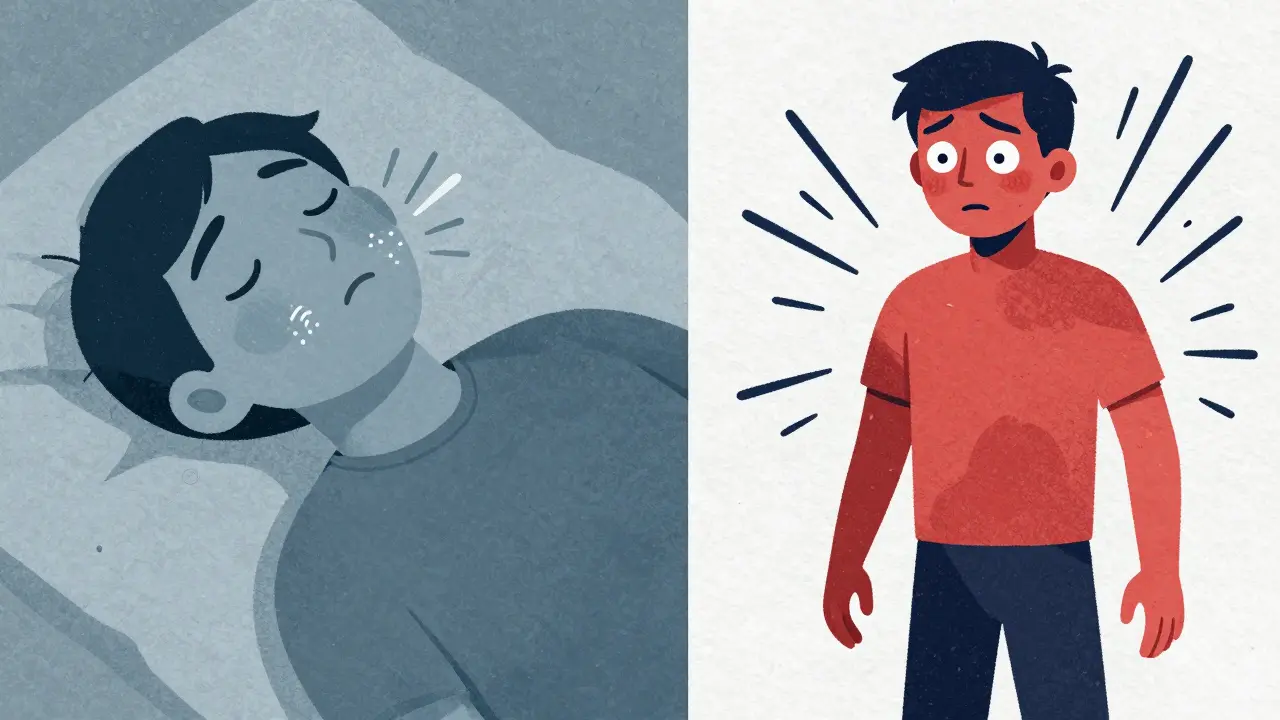
- Respiratory Depression: Breathing slows to fewer than 12 breaths per minute, or stops completely. Listen closely-you might hear choking, gurgling, or loud snoring sounds. These noises indicate airway obstruction and are present in 42% of opioid overdose cases.
Other signs include extreme drowsiness progressing to unresponsiveness and cold, clammy skin. Remember, tolerance plays a huge role here. If someone has been abstinent for just 3-7 days, their tolerance drops significantly. Taking their usual dose after a break can easily lead to fatal respiratory arrest.
Stimulant and Depressant Overdoses: Different Drugs, Different Dangers
Not all overdoses look like someone falling asleep. Stimulants like cocaine, methamphetamine, and prescription ADHD medications push the body into overdrive. The symptoms are dramatic and terrifying:
- Hyperthermia: Body temperature spikes above 104°F (40°C).
- Hypertension: Systolic blood pressure exceeds 180 mmHg, risking stroke or heart attack.
- Agitation and Paranoia: The person may become violent, terrified, or disconnected from reality.
- Seizures: Nearly 40% of cocaine overdose cases involve seizures, which can cause permanent brain damage if untreated.
On the other end of the spectrum are depressants, including benzodiazepines (like Xanax or Valium), alcohol, and barbiturates. These substances also slow down the brain but often present with slurred speech, ataxia (loss of muscle coordination), and profound drowsiness. Alcohol poisoning is particularly dangerous because it causes vomiting while unconscious. In 58% of fatal alcohol overdoses, death results from aspiration-choking on vomit because the gag reflex is suppressed.
The Polysubstance Trap: Why Mixtures Are Deadlier
In 2022, nearly 57% of overdose deaths involved polysubstance use. This means the person took multiple drugs at once, such as mixing opioids with benzodiazepines or alcohol. This combination creates a synergistic effect where the drugs amplify each other’s depressive effects on the brainstem, which controls breathing.
Polysubstance overdoses are harder to diagnose because symptoms overlap. For example, a person might have the pinpoint pupils of an opioid overdose but the high blood pressure of a stimulant overdose due to adulterants. New threats like xylazine (a veterinary tranquilizer nicknamed "tranq") are now found in nearly 70% of fentanyl samples in some cities. Xylazine does not respond to naloxone and causes severe tissue damage, making treatment even more complex.
Immediate Action Plan: What To Do Right Now
If you suspect an overdose, panic is your biggest obstacle. Follow these steps precisely. They are standardized by medical authorities worldwide to maximize survival chances.
- Call Emergency Services: Dial 911 (or local equivalent) immediately. Tell them you suspect an overdose. Many places have "Good Samaritan" laws that protect bystanders from prosecution for minor drug possession when calling for help. For instance, Minnesota’s "Steve’s Law" has led to a 27% increase in 911 calls for overdoses since its adoption.
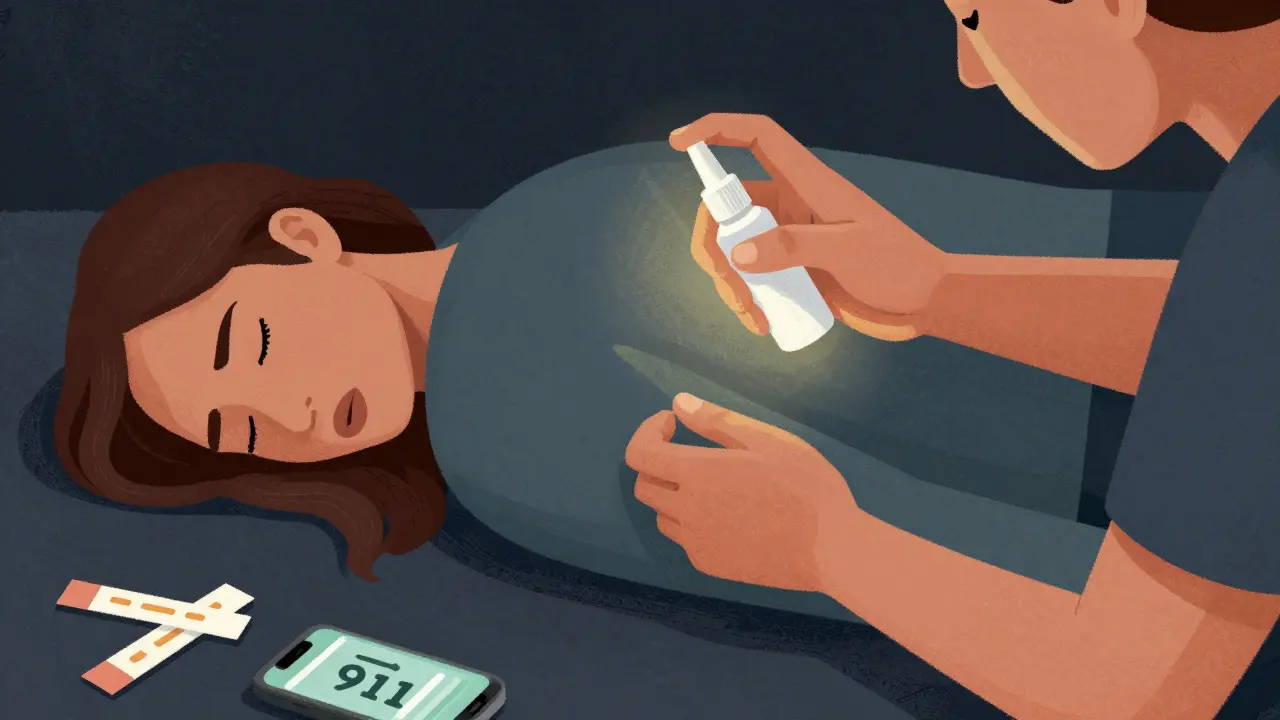
- Administer Naloxone (NARCAN): If you have it, use it. Naloxone reverses opioid overdoses by blocking opioid receptors in the brain. The nasal spray delivers 4mg per dose. Spray it into one nostril. If there is no response after 2-3 minutes, give a second dose. Naloxone works in 85% of opioid overdose cases when administered within the first few minutes.
- Position the Person Safely: If they are unconscious but breathing, place them in the recovery position (on their side). This prevents them from choking on vomit or their own tongue. Never let them "sleep it off." Delayed treatment is a factor in 29% of fatal overdoses.
- Monitor Breathing: Count breaths. If they stop breathing, begin rescue breathing or CPR if trained. Keep talking to them to try to keep them conscious if possible.
- Stay Until Help Arrives: Do not leave the person alone. Provide paramedics with any information you have about what was taken, when, and how much.
Crucially, avoid certain myths. Do not put the person in a hot bath or shower, which can cause hypothermia or drowning. Do not give them coffee, water, or home remedies. These actions waste precious time and can worsen the situation.
Prevention and Preparedness: Reducing the Risk
Recognition is vital, but prevention saves more lives. The landscape of drug safety has changed dramatically. Illicit pills often contain fentanyl without the user’s knowledge. Counterfeit pills can be 50 to 100 times more potent than expected.
Harm reduction tools are now widely available. Fentanyl test strips can detect the presence of fentanyl in drugs with 97% accuracy at concentrations as low as 0.25 micrograms. While testing doesn't eliminate risk, it allows users to make informed decisions, such as reducing the dose or seeking naloxone. Additionally, carrying naloxone is increasingly seen as a basic safety measure, similar to having a fire extinguisher. As of 2023, naloxone is available over-the-counter in many U.S. states, costing around $40-$50 per kit.
For those managing prescription medications, never share drugs, never crush or inject pills unless directed, and always adhere to dosage instructions. If you are taking opioids long-term, discuss a naloxone prescription with your doctor. It is a standard of care for anyone at risk.
Understanding the Data: Who Is Most at Risk?
Overdose statistics reveal stark demographic and geographic disparities. In 2022, adults aged 25-54 had the highest overdose death rates. However, the crisis is shifting. Overdose death rates among Black Americans increased by 21% between 2020 and 2022, surpassing rates among White Americans for the first time. Geographically, West Virginia recorded the highest rate at 88.9 deaths per 100,000 people, while Nebraska had one of the lowest at 21.7 per 100,000.
These numbers highlight that overdose is a public health issue affecting all communities, not just specific demographics. The economic burden is also staggering, with each non-fatal opioid overdose costing over $10,000 in emergency department visits alone. Prevention reduces both human suffering and financial strain on healthcare systems.
| Drug Class | Primary Mechanism | Key Physical Signs | Immediate Threat |
|---|---|---|---|
| Opioids | Central Nervous System Depression | Pinpoint pupils, slow breathing, unconsciousness | Respiratory Arrest |
| Stimulants | Central Nervous System Excitation | Dilated pupils, high fever, rapid heartbeat, agitation | Cardiac Arrest / Stroke |
| Depressants | Sedation / Muscle Relaxation | Slurred speech, loss of coordination, pale skin | Aspiration / Respiratory Failure |
Frequently Asked Questions
How long does it take for an overdose to become fatal?
The timeline varies by substance. With potent synthetic opioids like fentanyl, respiratory arrest can occur within minutes. Once breathing stops, brain damage begins after 4-6 minutes without oxygen. Immediate intervention with naloxone and CPR is critical to prevent death or permanent disability.
Can you overdose on over-the-counter medication?
Yes. Acetaminophen (Tylenol) overdoses can cause severe liver failure, while excessive ibuprofen can lead to kidney damage and stomach bleeding. Sedating antihistamines (like diphenhydramine) can cause hallucinations, seizures, and cardiac issues in high doses. Always follow label instructions and consult a pharmacist if combining medications.
Does naloxone work on all types of overdoses?
No. Naloxone only reverses opioid overdoses. It has no effect on stimulants, benzodiazepines, or alcohol. However, because many overdoses involve mixed substances, administering naloxone is still recommended if opioids are suspected. It will not harm the person if opioids are not present.
What should I do if the person wakes up after naloxone?
Keep them awake and under observation. Naloxone wears off faster than many opioids, especially long-acting ones or fentanyl. The person could slip back into unconsciousness and stop breathing again. Stay with them until emergency medical services arrive. Do not assume they are safe to go home.
Are there legal protections for calling 911 during an overdose?
In many jurisdictions, yes. Good Samaritan laws protect bystanders and victims from criminal prosecution for minor drug possession offenses when they seek emergency help. For example, 47 U.S. states have adopted some form of overdose immunity law. Check your local regulations, but never hesitate to call for help due to fear of arrest.
How can I get naloxone?
Naloxone is available via prescription from doctors and pharmacies. In many U.S. states and other countries, it is available over-the-counter without a prescription. Community organizations, harm reduction centers, and libraries often distribute it for free. Apps like 'Naloxone Saves' can help locate nearby distribution sites.