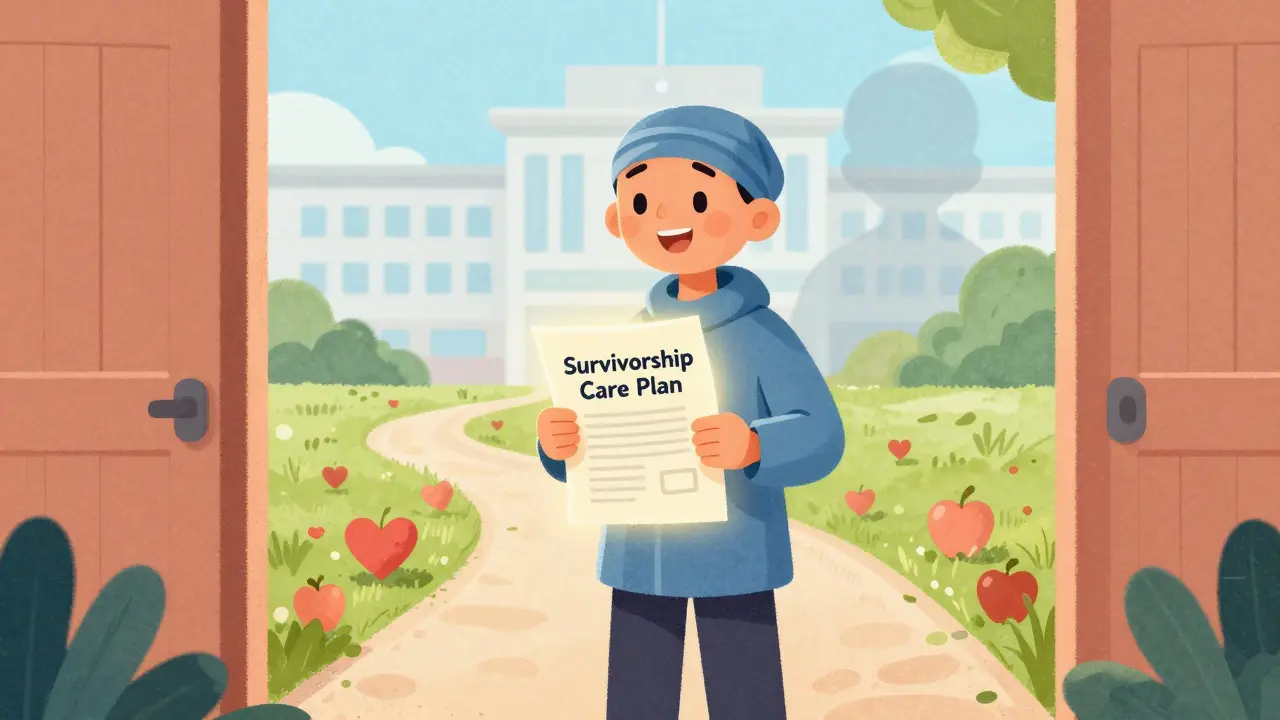
Getting the "all clear" from your oncologist is a massive relief. It’s the moment you’ve been fighting for. But for many people, the end of active treatment isn’t the end of the journey. In fact, it’s just the beginning of a new phase called cancer survivorship, which encompasses the experience of living with, through, and beyond a cancer diagnosis, focusing on managing long-term health consequences and monitoring for recurrence. You might feel like you can finally relax, but your body has gone through a war zone. Chemotherapy, radiation, and surgery leave marks that don’t always fade immediately. Some side effects linger for months or years-these are known as late effects. Others might signal that the cancer is coming back. Understanding how to navigate this post-treatment landscape is crucial not just for survival, but for living well. The number of people in this boat is growing fast. In the United States alone, there were approximately 16.9 million cancer survivors in 2018, and that number is projected to hit 22.2 million by 2030. With more people surviving longer, the focus has shifted from just curing the disease to managing the life that comes after. This guide breaks down what you need to know about monitoring for recurrence, handling long-term side effects, and building a care team that actually works for you.
What Is a Survivorship Care Plan?
If you’re leaving the hospital without a roadmap, you’re setting yourself up for confusion. A survivorship care plan is a comprehensive document that outlines your treatment history, potential late effects, recommended surveillance schedule, and strategies for maintaining health. Think of it as your personal manual for the rest of your life. Back in 2006, the Institute of Medicine (IOM) published a seminal report that basically said, "We need to do better at caring for people after their treatment ends." Since then, standards have improved. The Commission on Cancer now requires accredited programs to provide these plans to 100% of survivors. If you don’t have one, ask for it. It should include:
- Treatment Summary: Exact details of every chemo drug, dosage, radiation field, and surgical procedure. This matters because specific treatments carry specific risks later in life.
- Surveillance Schedule: When and how often you need scans, blood tests, or physical exams to check for recurrence.
- Prevention Strategies: Advice on diet, exercise, and screenings for secondary cancers or other health issues.
- Referral List: Who to call if you develop new symptoms, whether it’s your oncologist, primary care provider, or a specialist.
Monitoring for Recurrence: What to Expect
The fear of the cancer coming back is real. It’s often called "scanxiety," and it’s valid. However, modern medicine has moved away from one-size-fits-all monitoring. Instead, we use risk-stratified approaches based on your original diagnosis and treatment. Your care team will likely categorize you into one of three groups:
- High-Risk Survivors: These are individuals who had high-risk treatments (like certain intense chemotherapies) or genetic syndromes. You’ll need specialized follow-up every 3 to 6 months.
- Moderate-Risk Survivors: You’ll need annual specialized visits with your oncology team.
- Low-Risk Survivors: You can safely be managed by your primary care provider (PCP) with oncology consultation only if needed.
Understanding Late Effects: Physical and Cognitive
Just because the cancer is gone doesn’t mean the treatment’s impact is over. Late effects are health problems that appear months or years after treatment. They vary wildly depending on what you went through. Chemotherapy can cause a range of issues:
- Cognitive Changes: Often called "chemo brain," this includes memory lapses, trouble concentrating, and forgetfulness. The Lurie Cancer Center suggests using organizational tools, scheduling hard tasks during your peak energy hours, and limiting alcohol.
- Nerve Damage: Peripheral neuropathy can cause tingling or numbness in hands and feet.
- Heart and Lung Issues: Certain drugs can weaken the heart muscle or reduce lung capacity.
- Early Menopause: Common in women treated with specific agents, leading to bone density loss and hormonal shifts.
- Hypothyroidism: Radiation to the neck area can damage the thyroid gland.
- Lymphedema: Swelling in limbs due to damaged lymph nodes, common after breast or pelvic cancer treatment.
- Bone Loss: Radiation can weaken bones in the treated area, increasing fracture risk.
- Secondary Cancers: There is a small but real risk of developing a new cancer in the radiation field years later.
The Role of Primary Care vs. Oncology
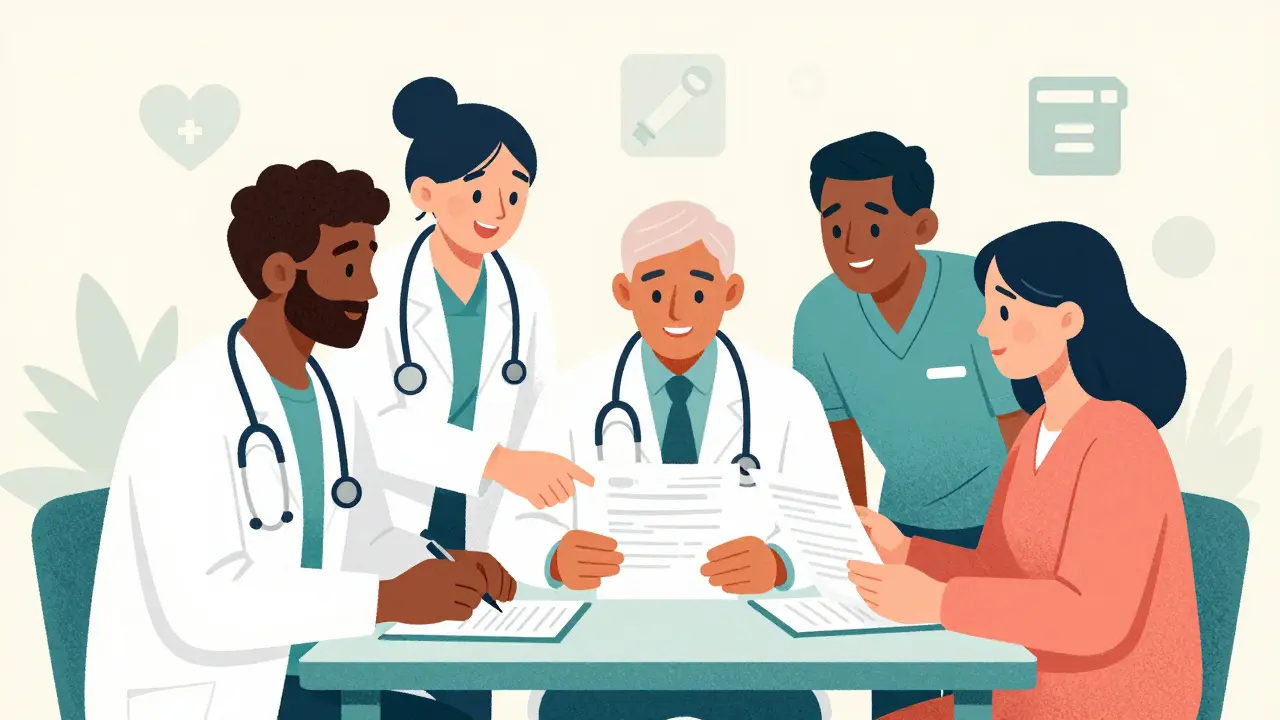
One of the biggest gaps in survivorship care is figuring out who’s in charge. For a long time, oncologists handled everything. But here’s the thing: most older adult cancer survivors die from causes other than their cancer. Heart disease, diabetes, and stroke are bigger killers than recurrence for many people. This is why integrating your primary care provider (PCP) is vital. About 78% of older survivors already have a PCP they trust. Your oncologist knows cancer; your PCP knows your whole health picture. They manage your cholesterol, blood pressure, and general wellness. A coordinated model works best. This means:
- Your oncologist handles cancer-specific surveillance.
- Your PCP manages general health, chronic conditions, and preventive care.
- Both teams communicate. No more duplicate tests or conflicting advice.
Psychosocial and Financial Challenges
We talk a lot about physical health, but the mental and financial toll of survivorship is heavy. A survey by Livestrong found that 73% of survivors experience significant financial stress. Why? Because cancer treatment is expensive, and even after treatment ends, follow-up care, medications, and potential job loss add up. Financial toxicity is real. It affects your ability to eat well, exercise, and seek timely care. Many cancer centers now offer financial counseling. For instance, the Lurie Cancer Center reports that 92% of users resolved financial barriers within 30 days of getting help. Don’t hesitate to ask for a social worker or financial navigator. Emotionally, you might struggle with:
- Anxiety and Depression: Fear of recurrence is common. If you find yourself unable to function or constantly worried, seek professional help. Palliative care isn’t just for end-of-life; it’s for symptom management and emotional support at any stage.
- Relationship Strain: 57% of survivors report changes in relationships with loved ones. Your partner or family may not understand what you’re going through. Open communication or couples counseling can help.
- Self-Esteem Issues: Scars, hair loss, or weight changes can affect how you see yourself. Support groups and integrative therapies can boost confidence.

Proactive Health Management: Lifestyle and Prevention
You have more control over your health than you think. While you can’t undo past treatments, you can mitigate future risks through lifestyle choices. This isn’t about blaming yourself; it’s about empowering yourself. Exercise is Medicine Dr. June M. McKoy, an expert in geriatric hematology/oncology, notes that exercise interventions are safe and highly beneficial. Studies show:
- Functional Improvement: Mobility scores improve by 25-35% in older survivors who exercise regularly.
- Bone Health: Weight-bearing exercises can increase bone density by 3-5%, counteracting osteoporosis from treatment.
- Fatigue Reduction: Regular activity reduces cancer-related fatigue scores by 40-50%. Yes, moving more makes you less tired.
Building Your Support Team
You don’t have to do this alone. Your survivorship team should include:
- Oncologist: For cancer-specific monitoring.
- Primary Care Provider: For overall health management.
- Social Worker/Navigator: For financial and emotional resources.
- Physical Therapist: For rehabilitation and lymphedema management.
- Mental Health Professional: For coping with anxiety, depression, or trauma.
- Dietitian: For personalized nutrition advice.
How often should I see my oncologist after treatment ends?
It depends on your risk level. High-risk survivors typically need visits every 3-6 months. Moderate-risk survivors usually go annually. Low-risk survivors may only need occasional check-ins, with their primary care provider handling routine care. Always follow the specific schedule outlined in your survivorship care plan.
What are the most common long-term side effects of chemotherapy?
Common late effects include cognitive changes (memory issues), nerve damage (neuropathy), early menopause, heart problems, and increased risk of secondary cancers. Symptoms can appear months or years after treatment, so ongoing monitoring is essential.
Can exercise really help with cancer-related fatigue?
Yes. Research shows that regular physical activity can reduce cancer-related fatigue by 40-50%. It also improves mobility, bone density, and overall quality of life. Start slowly with activities like walking or swimming and gradually increase intensity as tolerated.
Why is a survivorship care plan important?
A survivorship care plan provides a detailed summary of your treatment, outlines potential late effects, and sets a schedule for follow-up care. Studies show it increases adherence to follow-up activities from 58% to 85% and reduces unnecessary tests by 32%, ensuring you get coordinated, efficient care.
Should I see my primary care doctor or oncologist for general health issues?
For general health issues like blood pressure, cholesterol, or routine vaccinations, your primary care provider (PCP) is usually the best contact. Your oncologist focuses on cancer surveillance. A coordinated approach where both doctors communicate ensures comprehensive care without duplication.
What financial resources are available for cancer survivors?
Many cancer centers offer financial counseling and social work services to help with billing, insurance, and employment issues. Organizations like the American Cancer Society and local nonprofits may also provide grants or assistance programs. Don't hesitate to ask your care team for a referral to a financial navigator.