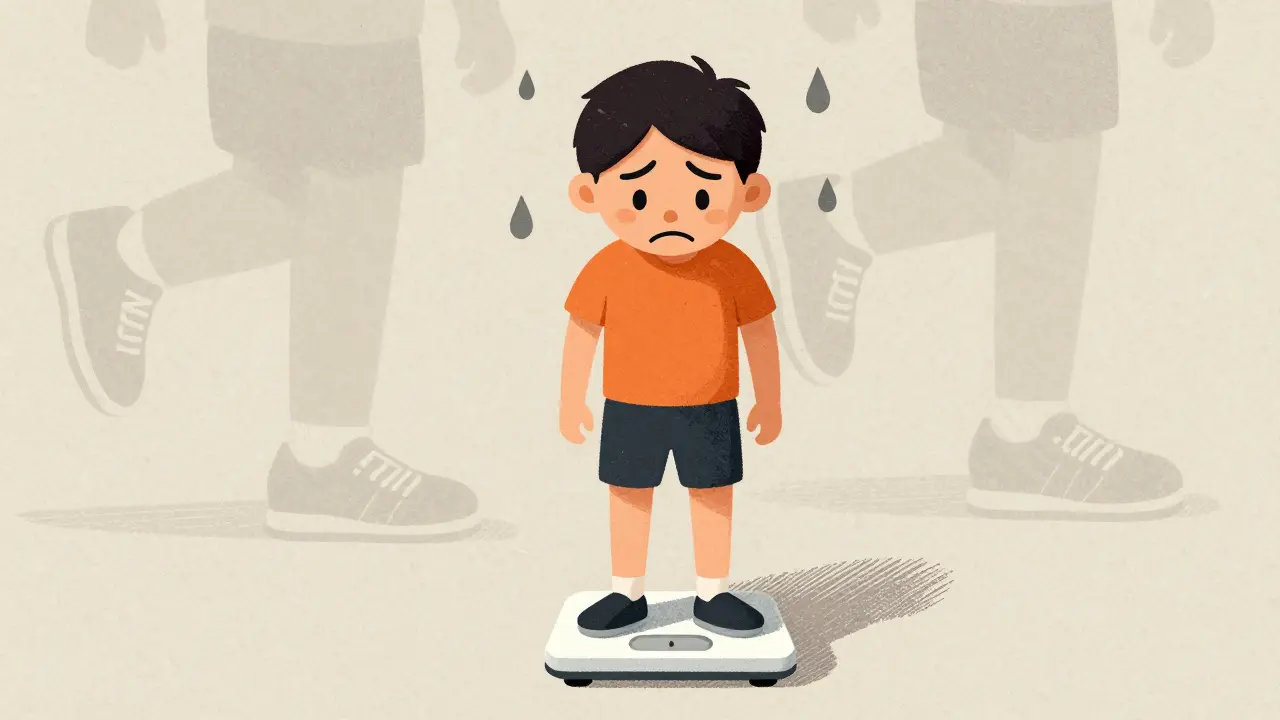
You step on the scale. The number hasn't moved. You've been running five miles a week, sweating through spin classes, and skipping dessert. So why is your body holding onto that stubborn layer of fat? It’s a frustration shared by millions of people trying to lose weight. The answer usually isn’t about working *harder*. It’s about working *smarter*. Specifically, it comes down to the age-old debate in fitness: should you focus on cardio or strength training?
The short answer? You don’t have to choose just one. But if you’re picking based on specific goals-like quick scale drops versus long-term metabolic change-the strategies are very different. Let’s break down exactly how each type of exercise affects your body, what the science says about fat loss, and how to combine them for the best results without burning out.
How Cardio Burns Calories (And Why It Stops Working)
When most people think of weight loss, they picture cardio. And for good reason. Cardiovascular exercise, which includes activities like running, swimming, cycling, and brisk walking, is the most efficient way to burn calories *while* you are doing it. If your goal is to create an immediate calorie deficit, cardio is king.
Think about the numbers. According to metabolic calculations from Harvard Medical School, a 155-pound person can burn between 300 and 400 calories in just 30 minutes of moderate jogging. Cycling at a steady pace burns roughly 250 to 600 calories depending on intensity. Swimming laps? That’s another 200 to 500 calories gone. These are significant chunks of energy expenditure that add up quickly over a week.
| Activity | Estimated Calories Burned | Primary Benefit |
|---|---|---|
| Moderate Jogging | 300 - 400 | High immediate calorie burn |
| Cycling (12-14 mph) | 250 - 600 | Low impact, high endurance |
| Swimming Laps | 200 - 500 | Full-body engagement |
| Moderate Weight Training | 90 - 150 | Muscle building, metabolic boost |
| Intense Strength Circuit | 180 - 250 | EPOC effect, muscle retention |
However, cardio has a hidden downside. Your body is incredibly adaptive. After 8 to 12 weeks of consistent steady-state cardio, your heart becomes more efficient. This means you burn *fewer* calories doing the same run than you did when you started. This is why many runners hit a plateau. They keep running the same distance at the same speed, but their weight loss stalls because their bodies have learned to conserve energy.
Additionally, excessive cardio without resistance work can lead to muscle loss. A study published in the journal Obesity in 2022 showed that participants who only did cardio lost 9.7% of their body fat but also lost 0.3kg of lean muscle mass. Losing muscle slows down your metabolism, making it harder to keep the weight off long-term.
The Hidden Power of Strength Training
If cardio is about burning calories during the workout, strength training is about burning calories *after* the workout. When you lift weights, use resistance bands, or do bodyweight exercises like push-ups and squats, you are tearing microscopic fibers in your muscles. As these fibers repair and grow-a process called hypertrophy-they require energy.
This leads to a phenomenon known as Excess Post-exercise Oxygen Consumption (EPOC). Think of EPOC as an afterburner. According to Cleveland Clinic exercise physiologist Wendy Lawton, strength training can elevate your metabolic rate for up to 48 hours after your session ends. While you’re sitting on the couch watching TV, your body is still burning extra calories to repair those muscles.
But the real magic lies in the difference between muscle tissue and fat tissue. Muscle is metabolically expensive. It requires 13 to 15 calories per kilogram just to exist at rest. Fat tissue? Only 4.5 to 5 calories per kilogram. This means that every pound of muscle you build increases your Basal Metabolic Rate (BMR). A person with 10% more muscle mass can have a 20-30% higher resting metabolic rate, according to Mayo Clinic studies. Essentially, strength training turns your body into a more efficient fat-burning machine while you sleep.
New lifters often get discouraged because the scale doesn’t move initially. In fact, it might even go up. This is due to water retention as muscles recover. But here’s the secret: your clothes will start fitting better. You’ll look leaner and tighter even if the number on the scale stays the same. This is called body recomposition, and it’s far more sustainable than simple weight loss.
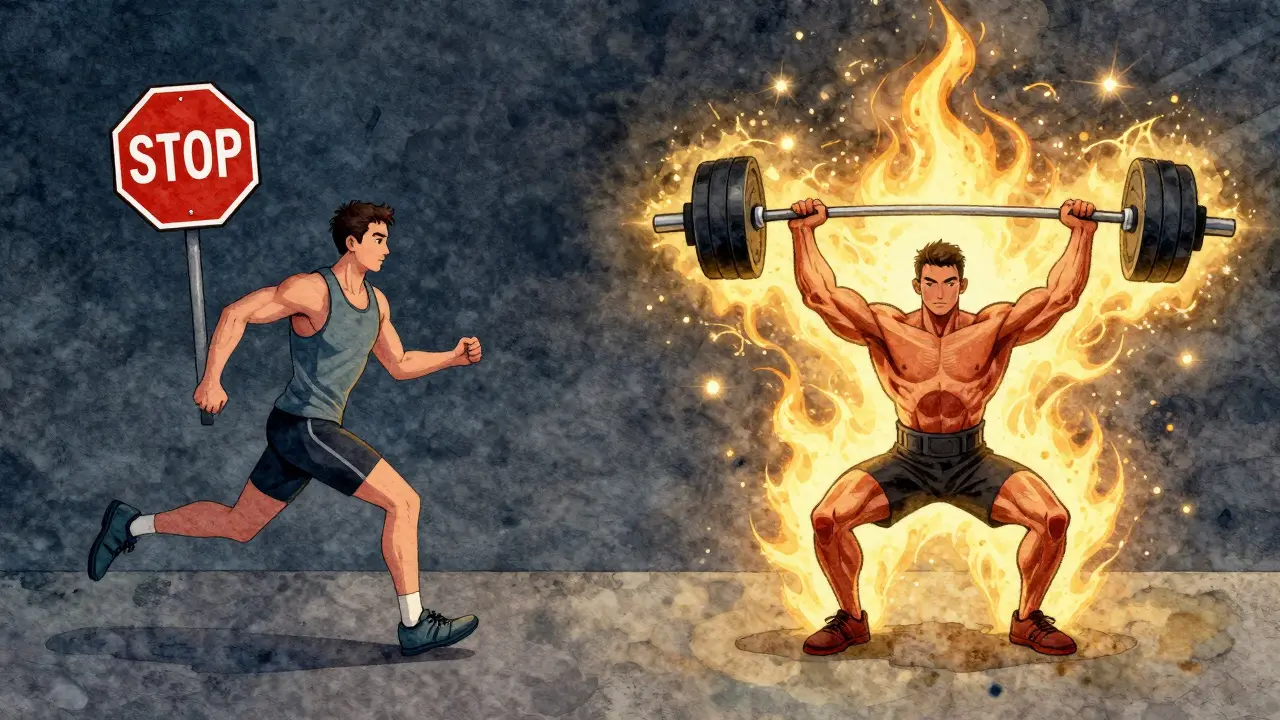
The Hybrid Approach: Why Combining Both Wins
If cardio is great for immediate calorie burn and strength training is superior for long-term metabolic health, the logical conclusion is obvious: do both. The American College of Sports Medicine (ACSM) explicitly states that optimal body composition outcomes require integrating both modalities.
Data supports this heavily. In that same 2022 Obesity trial mentioned earlier, the group that combined 150 minutes of cardio with 120 minutes of strength training weekly achieved the best results. They lost 12.4% of their body fat *and* gained 1.8kg of lean muscle. Compare that to the cardio-only group (9.7% fat loss, muscle loss) and the strength-only group (7.1% fat loss, muscle gain). The hybrid approach crushed both single-modality groups.
Dr. Kelly St. George, an exercise physiologist at Piedmont Healthcare, notes that combining cardiovascular exercise and weight training yields 37% greater fat loss than either method alone. This synergy works because cardio creates the calorie deficit needed for fat loss, while strength training preserves the muscle mass that keeps your metabolism high.
Furthermore, High-Intensity Interval Training (HIIT) offers a middle ground. HIIT involves short bursts of intense effort followed by rest periods. It mimics the metabolic boost of strength training while providing the high calorie burn of cardio. Research in the European Journal of Applied Physiology shows HIIT burns 25-30% more calories than steady-state cardio and induces a significantly greater EPOC effect.
Designing Your Weekly Routine
So, how do you actually structure this? You don’t need to be an athlete. You just need consistency. Here is a practical framework based on ACSM guidelines for beginners looking to lose weight:
- Start Small: Begin with 20-30 minutes of moderate cardio (aim for 55-65% of your max heart rate) three times a week. Pair this with two full-body strength sessions.
- Strength Focus: For your strength days, focus on compound movements like squats, deadlifts, lunges, and overhead presses. Use a weight that challenges you for 8-12 reps per set. Aim for 60-70% of your one-rep max.
- Progressive Overload: This is the key to strength gains. Every week or two, try to increase the weight slightly (by 2.5-5%) or do one more rep. Without increasing difficulty, your muscles won’t grow.
- Build Up: Gradually increase your volume to 150 minutes of cardio and 120 minutes of strength training per week. This is the sweet spot for most adults.
A common mistake is neglecting protein intake. To build the muscle that boosts your metabolism, you need fuel. The International Society of Sports Nutrition recommends 1.6 to 2.2 grams of protein per kilogram of body weight daily. Most people aiming for weight loss fall short here, eating too little protein and losing muscle instead of fat.

Navigating Common Pitfalls
Even with the right plan, setbacks happen. Understanding why helps you stay on track.
The Scale Stalls: If you’ve been lifting weights and the scale hasn’t moved for three weeks, check your mirror, not the number. You might be gaining muscle while losing fat. This is a win. Take body measurements or progress photos instead of relying solely on weight.
The Cardio Plateau: If your runs feel easy and the weight isn’t dropping, vary your routine. Add intervals, try a new sport like rowing or dancing, or increase your incline. Shock your system out of its efficiency.
Burnout: Doing six days of intense exercise is a recipe for injury and quitting. Rest days are productive. They allow your nervous system to recover and your muscles to repair. Listen to your body. If you’re exhausted, swap a hard workout for a gentle walk or yoga.
Remember, weight loss isn’t just about exercise. Dr. James Levine from Mayo Clinic points out that Non-Exercise Activity Thermogenesis (NEAT)-the calories you burn by fidgeting, walking to the car, or taking the stairs-can contribute 2 to 3 times more to your daily energy expenditure than structured workouts. Don’t underestimate the power of simply moving more throughout the day.
Frequently Asked Questions
Is cardio or strength training better for losing belly fat?
You cannot spot-reduce fat from specific areas like the belly. However, a combination of both is best. Cardio helps create the overall calorie deficit needed to burn fat, while strength training builds muscle to increase your metabolic rate. Studies show that combined training leads to greater reductions in visceral fat (the dangerous fat around organs) than either modality alone.
Will lifting weights make me bulky?
For most people, especially women, this is a myth. Building significant muscle mass requires years of dedicated training, specific nutrition, and often hormonal support. Strength training typically leads to a leaner, toned appearance rather than bulkiness. It helps you maintain a higher metabolism, which prevents weight regain.
How many days a week should I exercise for weight loss?
Aim for at least 150 minutes of moderate-intensity cardio and two days of strength training per week. This aligns with guidelines from the American College of Sports Medicine. Consistency is more important than intensity. Starting with three to four days a week is a realistic goal for beginners.
Can I lose weight with only strength training?
Yes, but it may be slower in terms of total pounds lost. Strength training is excellent for body recomposition-losing fat while gaining muscle. You might see less movement on the scale, but your body shape will improve significantly. Adding cardio can accelerate the initial fat loss phase.
What is the best time of day to exercise for weight loss?
The best time is whenever you can stick to it consistently. Some studies suggest morning exercise may help regulate appetite hormones, but the total daily energy expenditure matters most. Choose a time that fits your schedule and energy levels to ensure you don’t skip workouts.
Does HIIT replace strength training?
HIIT can complement strength training, but it shouldn’t fully replace it if your goal is muscle preservation and long-term metabolic health. HIIT is great for cardiovascular fitness and calorie burning, but traditional resistance training provides the mechanical tension needed for muscle growth and bone density.