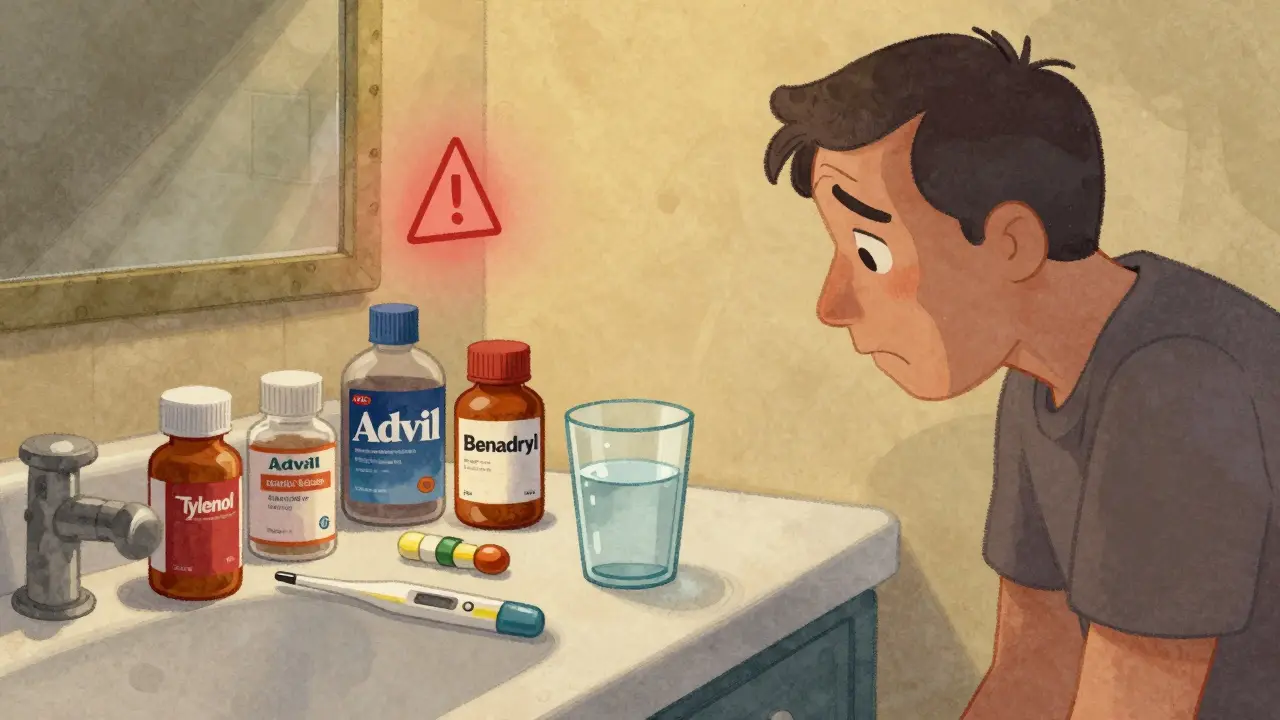
Every year, millions of people reach for an OTC medication before calling a doctor. You’ve probably done it too - a headache, a stuffy nose, heartburn after dinner. These pills and liquids are easy to grab off the shelf, but that doesn’t mean they’re harmless. Many people think OTC medications are safe because they don’t need a prescription. That’s a dangerous myth. The truth is, even simple pain relievers can cause serious harm if used wrong.
What Are OTC Medications, Really?
OTC medications are drugs you can buy without a prescription. They’re meant for short-term relief of common issues like pain, fever, coughs, allergies, and heartburn. In the U.S., there are over 800 active ingredients in more than 100,000 different products. That’s a lot of choices. But not all are right for everyone. The FDA and other global regulators require these products to prove safety and effectiveness for self-use. Still, that doesn’t mean they’re risk-free.
What makes an OTC drug different from a prescription one? It’s not just about strength. It’s about how the drug is used. For example, ibuprofen at 200mg is OTC. At 800mg, it’s prescription. Same drug. Different dose. Same risk if misused.
Top Categories of OTC Medications and How They Work
Not all OTC meds are created equal. Here’s a breakdown of the most common types, what they do, and what you need to know.
Pain Relievers: Acetaminophen vs. NSAIDs
Two big names here: acetaminophen (Tylenol) and NSAIDs like ibuprofen (Advil) and naproxen (Aleve).
Acetaminophen works on pain and fever. It’s often the go-to for kids, pregnant women, and people with stomach issues. But it’s not gentle on the liver. Taking more than 4,000mg in a day - even if it’s spread out - can cause liver failure. The FDA reports 15,000 to 18,000 cases of acute liver failure each year linked to acetaminophen. Many of those cases come from people not realizing they’re taking it in multiple products. Cold medicines? Pain patches? Some contain it too.
NSAIDs like ibuprofen and naproxen reduce pain, fever, and inflammation. That’s why they’re better than acetaminophen for sprains or arthritis. But they irritate the stomach lining. People with ulcers, kidney problems, or heart disease should avoid them. A 2021 study found NSAIDs double or even quadruple the risk of gastrointestinal bleeding. And they’re not safe after 20 weeks of pregnancy - they can affect the baby’s kidneys.
Cold and Flu: Decongestants, Cough Suppressants, and Expectorants
These are the most confusing category. Why? Because they’re often mixed together.
Pseudoephedrine (Sudafed) helps with nasal congestion. But it can raise blood pressure and cause jitteriness. In some places, you have to ask the pharmacist for it because it’s used to make meth. Dextromethorphan (Delsym) suppresses coughs. It’s fine at the right dose. But some teens abuse it - taking 10 times the recommended amount for a high. The National Institute on Drug Abuse says over 1.2 million ER visits each year are tied to OTC drug misuse, and dextromethorphan is a big part of that.
Guaifenesin (Mucinex) loosens mucus. It’s harmless if used as directed. But don’t combine it with other cough meds unless you know what’s in them. You could accidentally overdose on dextromethorphan.
Allergy Meds: Old School vs. New School
First-generation antihistamines like diphenhydramine (Benadryl) work fast. But they make you sleepy. Like, really sleepy. Studies show they increase fall risk by 30% in adults over 65. That’s why you shouldn’t use them as a sleep aid - especially if you’re older.
Second-generation options like loratadine (Claritin) and fexofenadine (Allegra) don’t cause drowsiness. They last longer too. In fact, they’re 90% less sedating than Benadryl. If you’re driving, working, or just don’t want to nap all day, these are the better pick.
Gastrointestinal: Heartburn, Diarrhea, and Antacids
Heartburn meds are everywhere. But they’re not all the same.
Antacids like Tums (calcium carbonate) give quick relief. But if you take them daily for weeks, you can get too much calcium. That can lead to kidney stones.
H2 blockers like famotidine (Pepcid AC) reduce acid for up to 12 hours. They’re safe for occasional use.
Proton pump inhibitors (PPIs) like omeprazole (Prilosec OTC) are stronger. They’re great for frequent heartburn. But using them for more than 14 days in a row without a doctor’s advice? That’s risky. A 2023 study in JAMA Internal Medicine linked long-term PPI use to a 20-50% higher chance of chronic kidney disease.
Loperamide (Imodium) stops diarrhea. It’s fine for a quick fix. But if you take too much, it can slow your heart. There have been cases of fatal heart rhythm problems from people taking 20-30 tablets at once.
Who Should Be Extra Careful?
OTC meds aren’t one-size-fits-all. Some groups need to be extra cautious.
- Pregnant women: Only acetaminophen is considered safe for pain. Avoid NSAIDs after 20 weeks. Check labels - some cold meds have ingredients that aren’t pregnancy-safe.
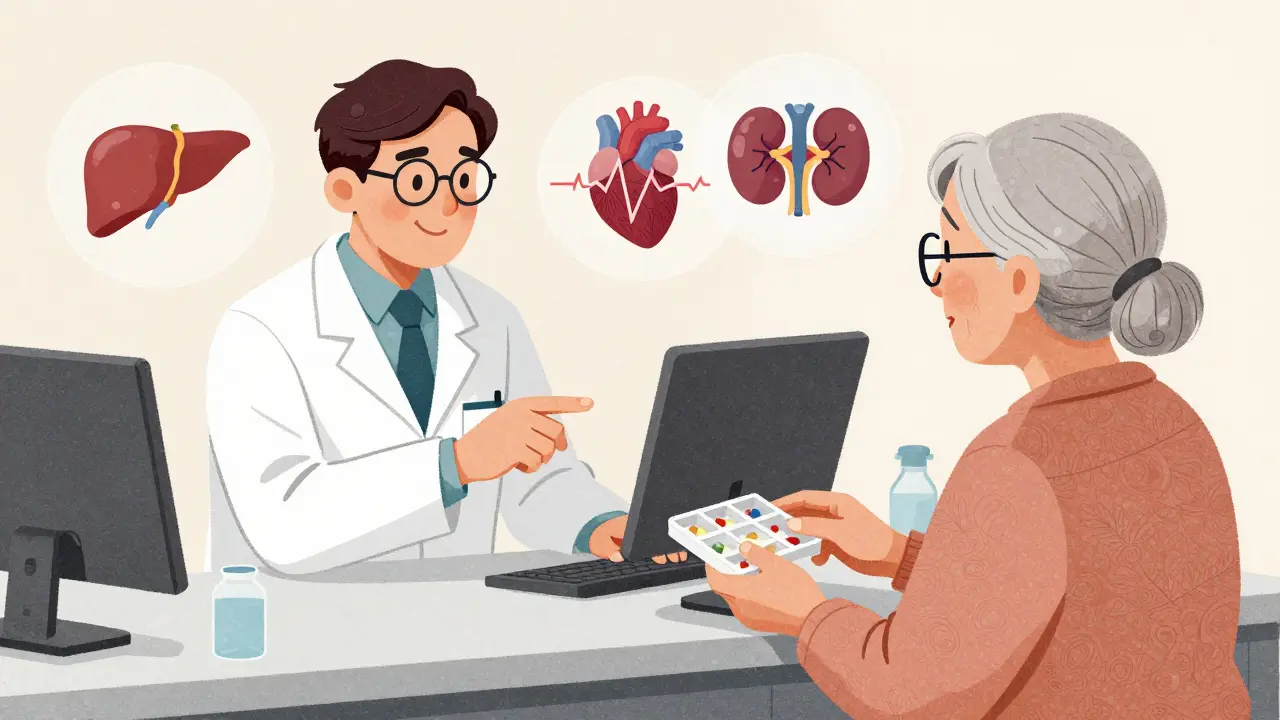
- People over 65: Diphenhydramine increases fall risk. PPIs can affect kidney function. NSAIDs can cause stomach bleeding. Always talk to a pharmacist before starting anything new.
- People with liver or kidney disease: Acetaminophen and NSAIDs can be toxic. Loperamide and some antihistamines need dose adjustments.
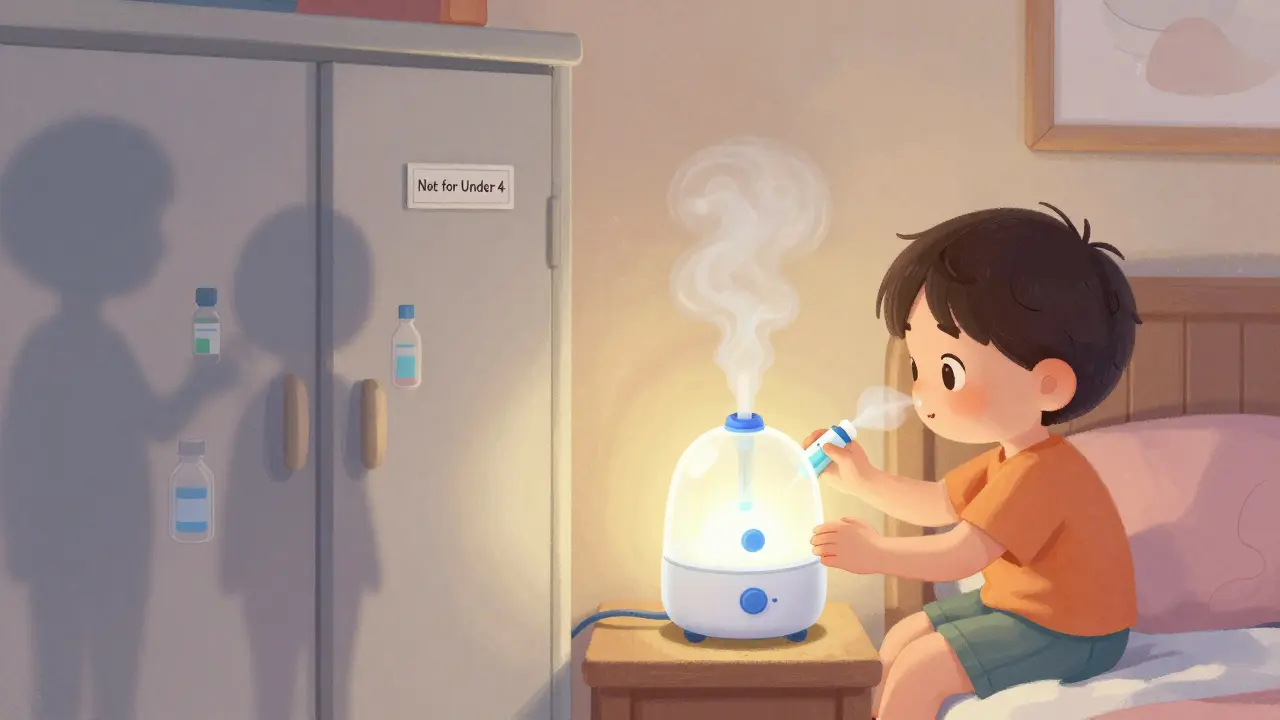
- Children under 4: Cough and cold medicines are banned for this age group in the U.S. after over 100 deaths were linked to them between 1969 and 2006.
- Diabetics: Some liquid meds and chewables have sugar. Check the label.
How to Use OTC Meds Safely
Here’s how to avoid common mistakes:
- Read the Drug Facts label. It’s required by the FDA. It tells you: active ingredients, purpose, uses, warnings, directions, and other info. If you can’t find it, don’t buy it.
- Don’t double-dose. Many cold and flu products contain acetaminophen. Taking one for a headache and another for a cold? You could hit 6,000mg in a day - way over the safe limit.
- Check interactions. If you’re on blood pressure meds, antidepressants, or blood thinners, OTC drugs can interfere. Always ask your pharmacist.
- Don’t use long-term. OTC meds aren’t meant for daily use for months. If your symptoms last more than a week, see a doctor.
- Store properly. Most OTC meds should be kept below 86°F (30°C). Heat and humidity can break them down. Don’t leave them in the bathroom or car.
- Check expiration dates. Expired meds lose potency. Some - like liquid antibiotics or insulin - can become dangerous. Most OTC pills last 2-3 years after manufacture.
When to Call a Pharmacist
You don’t need to be a doctor to get good advice. Pharmacists are trained to help you choose the right OTC product. In fact, 93% of Americans live within 5 miles of a pharmacy. That’s not a coincidence.
Ask your pharmacist if:
- You’re unsure which medicine to pick
- You’re taking other medications
- You have a chronic condition like diabetes or high blood pressure
- You’re pregnant or caring for a child
- You’re thinking of using an OTC drug for more than 14 days
Pharmacists can spot hidden risks. For example, someone on blood thinners shouldn’t take ibuprofen. A person with glaucoma should avoid pseudoephedrine. These aren’t obvious unless you know the details.
The Bigger Picture: OTC Medications Are Part of Healthcare
OTC drugs save money and reduce pressure on hospitals. In 2022, the global OTC market hit $135.8 billion. But that doesn’t mean we should treat them like candy.
Companies are now using AI to help people choose safely. CVS launched an app called OTC Advisor that checks your meds and health conditions before recommending anything. That’s a step forward. But the real solution? Education.
The American Pharmacists Association now requires pharmacies to offer mandatory counseling on high-risk OTC products. That’s good. Because the line between self-care and self-harm is thin. Too many people use OTC meds for chronic problems - like daily heartburn or long-term pain - when they should be seeing a doctor.
OTC medications are powerful tools. But like any tool, they can hurt you if you don’t use them right.
Can I take acetaminophen and ibuprofen together?
Yes, if you need stronger pain relief. But you must space them out. Take acetaminophen every 6 hours (max 4,000mg/day) and ibuprofen every 8 hours (max 1,200mg/day). Never take them at the same time. Also, avoid this combo if you have liver or kidney problems. Always check labels - some combination products already contain both.
Why can’t I use Benadryl to help me sleep?
Benadryl (diphenhydramine) causes drowsiness, but it’s not a good sleep aid. It disrupts deep sleep cycles and can leave you feeling groggy the next day. For adults over 65, it increases fall risk by 30%. It also builds tolerance - you need more over time. Safer alternatives include melatonin, sleep hygiene changes, or talking to a doctor about prescription options if sleep issues persist.
Is it safe to take OTC pain relievers every day?
No. Daily use of NSAIDs like ibuprofen or naproxen increases your risk of stomach ulcers, kidney damage, and high blood pressure. Daily acetaminophen can lead to liver damage, especially if you drink alcohol or have liver disease. If you need pain relief daily for more than 10 days, you need to see a doctor. You’re treating a symptom, not the cause.
What’s the difference between Prilosec OTC and Pepcid AC?
Prilosec OTC (omeprazole) is a proton pump inhibitor (PPI). It blocks acid production at the source and works best if taken 30-60 minutes before breakfast. It’s for frequent heartburn (2+ days per week). Pepcid AC (famotidine) is an H2 blocker. It reduces acid but doesn’t block it completely. It works faster but doesn’t last as long. PPIs are stronger, but long-term use (more than 14 days) can raise kidney disease risk. Use the lowest dose for the shortest time.
Are OTC cold medicines safe for kids?
No, not for children under 4. The FDA banned them after 115 deaths were linked to overdoses between 1969 and 2006. For older kids, use single-ingredient products (like just acetaminophen for fever) and follow weight-based dosing. Avoid multi-symptom formulas - they often contain unnecessary ingredients that increase side effects. Saline nasal drops and humidifiers are safer for young kids.
Can I take OTC meds if I’m on blood pressure medicine?
Some can interfere. Decongestants like pseudoephedrine can raise blood pressure. NSAIDs like ibuprofen can reduce the effectiveness of blood pressure drugs and harm the kidneys. Antacids with sodium can also raise BP. Always check with your pharmacist before taking any OTC medicine. They can recommend safe alternatives - like loratadine instead of pseudoephedrine, or acetaminophen instead of ibuprofen.
Daniel Dover
February 15, 2026 AT 07:59Been using ibuprofen for years. Never knew it could double bleeding risk. Scary stuff. Always thought OTC meant 'safe to ignore.'
Chiruvella Pardha Krishna
February 17, 2026 AT 02:35The illusion of safety is the most dangerous drug of all. We treat chemicals like candy because they’re wrapped in pastel packaging and sold beside gum. But chemistry doesn’t care about your convenience.
The body is not a machine you can tweak with a quick fix. It’s a symphony. One wrong note - a daily Tylenol, a weekend of Advil - and the whole thing collapses in silence. No fanfare. No warning label loud enough.
We’ve turned self-care into self-destruction, and the pharmaceutical industry is happy to profit from our ignorance.
There’s no such thing as 'harmless' anymore. Only delayed consequences.
Josiah Demara
February 17, 2026 AT 18:51Wow. This post is basically a 2,000-word PSA written by a paranoid pharmacist. Let me guess - you also think people should get a background check before buying aspirin?
Acetaminophen causes liver failure? Yeah, and water causes drowning. You need to be an idiot to overdose on it. Same with NSAIDs. If you're popping 10 Advil a day because you 'forgot' you already took one in your cold medicine, congrats - you're the reason we need warning labels.
And don’t get me started on the 'PPIs cause kidney disease' fearmongering. A 20-50% relative risk increase sounds scary until you realize the absolute risk is like 0.2% per year. That’s less than getting hit by lightning. But sure, let’s panic because JAMA published a study.
Meanwhile, real problems like opioid abuse get ignored while we treat ibuprofen like it’s heroin. Pathetic.
Esha Pathak
February 18, 2026 AT 07:45So many people don’t realize that 'OTC' doesn't mean 'harmless' - it means 'you're on your own.' 😔
I once took 3 different cold meds at once because 'they all do different things.' Ended up in the ER with a liver enzyme spike. My mom said, 'You didn’t read the label?' I said, 'I thought the label was just for lawyers.'
Now I keep a notebook. Active ingredient. Dose. Time taken. No more guessing.
And yeah - Benadryl as a sleep aid? That’s like using a flamethrower to light a candle.
Betty Kirby
February 19, 2026 AT 06:27Someone actually wrote a whole article about this and didn’t mention the fact that most OTC meds are formulated for 150lb white males? Shocking.
Did you know that acetaminophen metabolism varies wildly by ethnicity? Or that NSAIDs are less effective in women due to hormonal differences? Or that the 'max dose' on the bottle is based on 1970s clinical trials with no diversity?
This isn’t safety advice - it’s privilege advice. Written by people who’ve never had to choose between rent and medicine.
Maybe the real problem isn’t misuse… it’s that we treat medicine like a commodity instead of a right.
Erica Banatao Darilag
February 20, 2026 AT 08:02I appreciate the thoroughness of this post. It's clear a lot of care went into compiling this information.
One thing I’d add: many elderly patients are unaware that their multi-vitamin or herbal supplement may interact with OTC meds. For example, St. John’s Wort can interfere with blood pressure medications and increase the risk of serotonin syndrome when taken with certain antidepressants.
It’s also worth noting that pharmacy counseling is often underutilized - even though pharmacists are among the most accessible healthcare professionals. I’ve personally had pharmacists catch dangerous interactions I didn’t even think to mention.
Thank you for highlighting this critical gap in public health literacy.
Charlotte Dacre
February 21, 2026 AT 06:51Oh wow. You mean that thing I’ve been popping like M&Ms since college… might actually be killing my liver? Who knew? 😏
Next time I have a headache, I’ll just… I don’t know… scream into a pillow? Maybe meditate? Or better yet - I’ll call my doctor like a responsible adult.
Yeah right. I’ll just take another one. And another. And then a third. Because why not? I’m not a robot. I’m a human. With a liver. That I’m pretty sure is made of steel.
Mike Hammer
February 23, 2026 AT 02:48Real talk: I’ve been taking Tylenol and Advil together for years. Never had an issue. But I also don’t drink, I’m 28, and I weigh 200 lbs. So maybe I’m just lucky.
Still - this whole thing made me check my medicine cabinet. Found three different cold meds that all had acetaminophen. One of them was expired. One was from 2020. One I didn’t even remember buying.
Threw ‘em all out. Felt weirdly good. Like detoxing my house.
Also - yeah, Benadryl for sleep? That’s not sleep. That’s a coma with dreams.
Joe Grushkin
February 24, 2026 AT 17:51OTC meds are dangerous? Next you’ll say fire is dangerous. Or gravity. Or breathing.
People need to take responsibility. Not every person needs a 10-page guide to take an aspirin. If you’re dumb enough to overdose on Tylenol, maybe you shouldn’t be allowed to own a phone either.
And PPIs? You’re telling me a 14-day limit is some sacred rule? I’ve been on them for 3 years. My stomach is fine. My kidneys? Still working. Your fear-based alarmism is what’s truly toxic.
Stop infantilizing adults.
Virginia Kimball
February 25, 2026 AT 00:38This was so helpful - thank you for writing this. I used to think OTC meant 'no big deal' until my grandma had a stroke because she was taking ibuprofen daily for arthritis and didn’t know it was raising her BP. She’s okay now, but it scared the hell out of me.
I started keeping a little chart on my fridge: 'What I’m taking' + 'Why' + 'When I last took it.' It’s silly, but it helps.
And now I always ask the pharmacist - even if I think I know the answer. They’ve saved me twice already. One time they said, 'That cough syrup has codeine. You’re on antidepressants. Don’t mix.' I had no idea.
We’re not weak for asking. We’re smart.