GLP-1 Side Effect Severity Assessment Tool
Symptom Assessment Questionnaire
Answer these questions to understand your side effect severity level
Your Severity Score
Important: This tool provides general guidance only. Always consult your healthcare provider before making changes to your medication regimen.
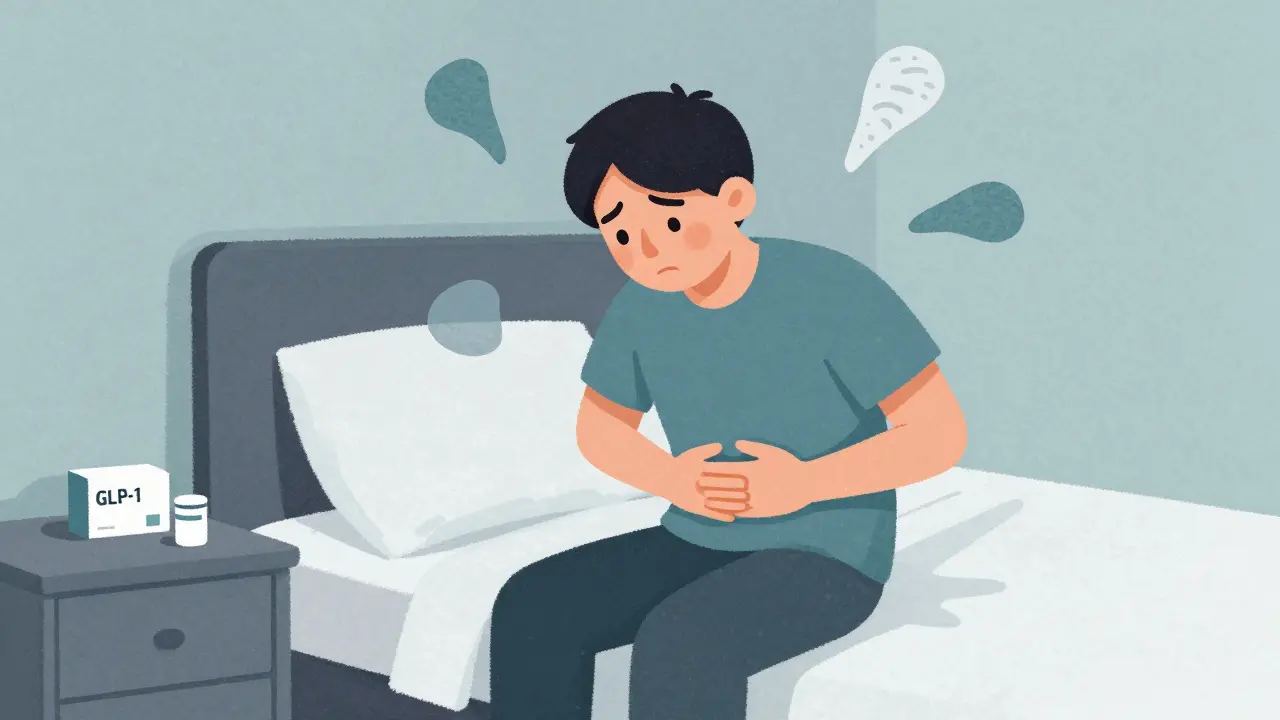
You start taking your new medication expecting better blood sugar control or significant weight loss. Instead, you spend the first few weeks feeling like you have a severe case of food poisoning. You’re not alone. If you are prescribed GLP-1 receptor agonists, which include popular drugs like Ozempic, Wegovy, and Mounjaro, gastrointestinal distress is the most common hurdle you will face.
These medications mimic a natural hormone called glucagon-like peptide-1. This hormone slows down how fast your stomach empties and signals your brain that you are full. While this mechanism is brilliant for managing type 2 diabetes and obesity, it comes with a heavy price tag in terms of comfort. According to clinical data, between 40% and 70% of patients experience some form of gastrointestinal adverse event. For many, this means nausea, vomiting, diarrhea, or constipation becomes their daily reality during the initial months of treatment.
Why Your Stomach Reacts So Strongly
To manage these symptoms, you first need to understand why they happen. It isn’t just a random bug; it is the direct result of the drug doing its job. Semaglutide (the active ingredient in Ozempic and Wegovy) and Liraglutide (Victoza) work by binding to receptors in your gut and brain. This binding slows gastric emptying significantly. Food stays in your stomach longer than usual.
When your stomach is full for an extended period, it sends distress signals. This creates that sick-to-your-stomach feeling known as nausea. In fact, studies show that over 40% of users report nausea as a primary symptom. The timing is also predictable. These side effects usually spike during the dose-escalation phase-the period where you gradually increase the dosage every four weeks. Once your body adjusts to the maintenance dose, symptoms often subside. However, for some people, the adjustment never fully happens, leading to discontinuation.
| Medication | Primary Active Ingredient | Nausea Incidence Rate | Key GI Complaints |
|---|---|---|---|
| Ozempic / Wegovy | Semaglutide | 15-20% at maintenance | Nausea, constipation, abdominal pain |
| Victoza / Saxenda | Liraglutide | 20-25% | Nausea, diarrhea, vomiting |
| Mounjaro / Zepbound | Tirzepatide | Variable (often higher initially) | Nausea, diarrhea, dyspepsia |
Distinguishing Normal Discomfort from Serious Risks
Most gastrointestinal issues associated with GLP-1s are mild to moderate and temporary. A study published in the Journal of Clinical Medicine noted that 99.5% of documented GI events were non-serious. However, "non-serious" doesn't mean "ignore it." There is a thin line between expected side effects and dangerous complications.
You must be vigilant about signs of pancreatitis. This is inflammation of the pancreas and can be life-threatening. Symptoms include severe, persistent abdominal pain that may radiate to your back, often accompanied by vomiting. A JAMA Network study found that GLP-1 users had a significantly increased risk of pancreatitis compared to other weight-loss drugs. If you feel pain that doesn't go away after vomiting or using over-the-counter remedies, seek medical attention immediately.
Another serious risk is gastroparesis, or delayed stomach emptying that goes beyond the drug's intended effect. This can lead to bowel obstruction or intestinal paralysis (ileus). Watch for inability to pass gas, severe bloating, or a hard, tender abdomen. Additionally, dehydration from persistent vomiting or diarrhea can cause acute kidney damage. Keep an eye on your urine color; dark amber urine is a warning sign that you are dehydrated.
Practical Strategies to Reduce Nausea and Pain
If you are struggling with nausea, you don't necessarily have to quit the medication. Many patients find relief through specific lifestyle adjustments. The key is working *with* the slowed digestion, not against it.
- Eat Smaller, Frequent Meals: Large meals overwhelm a slow-moving stomach. Try eating five small meals instead of three large ones. Stop eating before you feel completely full; you might only need half your usual portion.
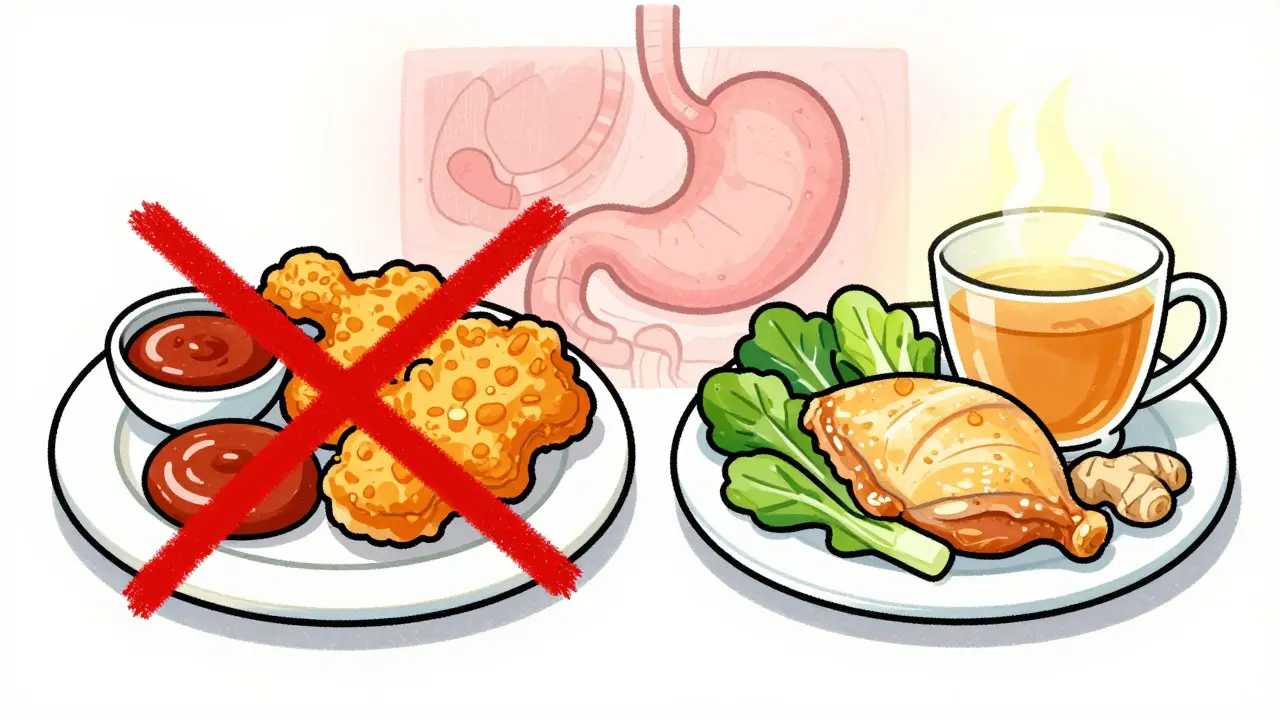
- Avoid High-Fat Foods: Fat takes the longest to digest. Fried foods, creamy sauces, and fatty cuts of meat can trigger severe nausea. Stick to lean proteins like chicken breast, fish, and tofu.
- Stay Hydrated, But Sip Slowly: Drinking large amounts of water quickly can expand your stomach and cause vomiting. Take small sips throughout the day. Herbal teas like ginger or peppermint can soothe the stomach lining.
- Change Injection Timing: Some users report less nausea when they inject the medication at night rather than in the morning. This allows the peak drug levels to occur while you sleep.
- Use Over-the-Counter Remedies: Ginger supplements or Dramamine (dimenhydrinate) can help manage acute nausea. Always check with your doctor before adding new supplements to avoid interactions.
The Role of Dose Escalation
One of the biggest mistakes patients make is pushing through severe side effects too quickly. Healthcare providers recommend a slow dose escalation schedule, typically increasing the dose every 4 to 6 weeks. This gives your body time to upregulate receptors and adapt to the slower gastric motility.
If you experience debilitating nausea at a certain dose, talk to your doctor about staying at that lower dose for longer. Sometimes, extending the titration period by two or four weeks makes all the difference. Do not skip doses or try to "catch up" if you miss one. Consistency is more important than speed.

When to Consider Stopping or Switching
Despite best efforts, some bodies simply do not tolerate GLP-1 receptor agonists. Discontinuation rates remain high because the quality of life impact is too great. If you have tried dietary changes, adjusted injection times, and used anti-nausea medications without success, it may be time to pivot.
There are alternatives. Tirzepatide (Mounjaro), which targets both GLP-1 and GIP receptors, works differently and may suit some patients better, though it has its own side effect profile. Other options include older medications like metformin for diabetes or non-injectable weight loss aids like phentermine-topiramate. Discuss these alternatives openly with your healthcare provider. The goal is metabolic health, not suffering through unmanageable side effects.
Long-Term Outlook and Adherence
For those who push through the initial rough patch, the long-term outlook is generally positive. Most patients report that nausea diminishes significantly after reaching the maintenance dose. The benefits-such as 15-20% body weight loss and improved glycemic control-often outweigh the initial discomfort. However, adherence requires patience. Remember that these drugs are designed for chronic use, not quick fixes. Building sustainable habits around your diet and hydration will determine whether you stay on the medication or drop out due to frustration.
How long does nausea last on Ozempic or Wegovy?
Nausea typically peaks during the dose-escalation phase, which lasts about 16 to 20 weeks. For most patients, symptoms improve significantly once they reach the maintenance dose. However, some individuals may experience intermittent nausea throughout treatment, especially if they eat large or fatty meals.
Can GLP-1 drugs cause permanent stomach damage?
While rare, serious complications like gastroparesis (severe delayed stomach emptying) or pancreatitis can occur. These conditions require immediate medical attention. Most gastrointestinal side effects are temporary and reversible upon stopping the medication, but vigilance is necessary to prevent long-term issues.
What should I eat to reduce GLP-1 side effects?
Focus on bland, low-fat, and easily digestible foods. Good options include lean chicken, white fish, eggs, oatmeal, bananas, and rice. Avoid fried foods, spicy dishes, high-sugar snacks, and carbonated beverages, as these can exacerbate bloating and nausea.
Is it safe to drink alcohol while taking GLP-1s?
Alcohol can worsen gastrointestinal side effects and increase the risk of hypoglycemia (low blood sugar), especially if you are also taking insulin or sulfonylureas. It is best to limit alcohol intake and monitor your body's reaction closely. Never binge drink while on these medications.
Do I need to stop GLP-1s before surgery?
Yes, most anesthesiologists recommend stopping GLP-1 medications several days before elective surgery. Because these drugs slow gastric emptying, there is a risk that your stomach may not be empty during anesthesia, which can lead to aspiration pneumonia. Always follow your surgeon's specific instructions.