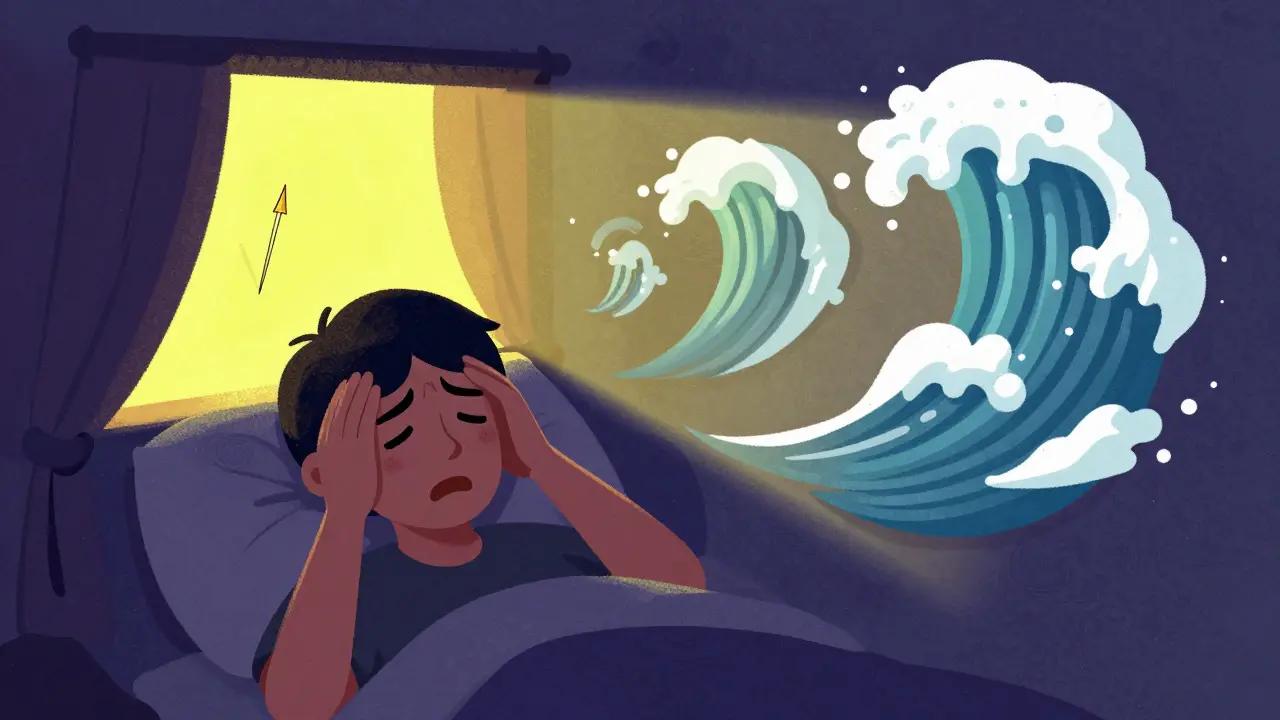
Imagine waking up to a pulsing pain in your temples that makes even the softest whisper sound like a shout and a sliver of sunlight feel like a needle in your eye. For millions, this isn't a bad dream-it's a typical Tuesday. Migraine headaches is a complex neurological disorder involving recurrent moderate to severe headaches, often paired with nausea and extreme sensitivity to light and sound. It's far more than just a "bad headache"; it's a systemic event where nerves in your blood vessels send pain signals to the brain, releasing inflammatory substances that create a cascade of agony.
The Mystery of the Migraine Trigger
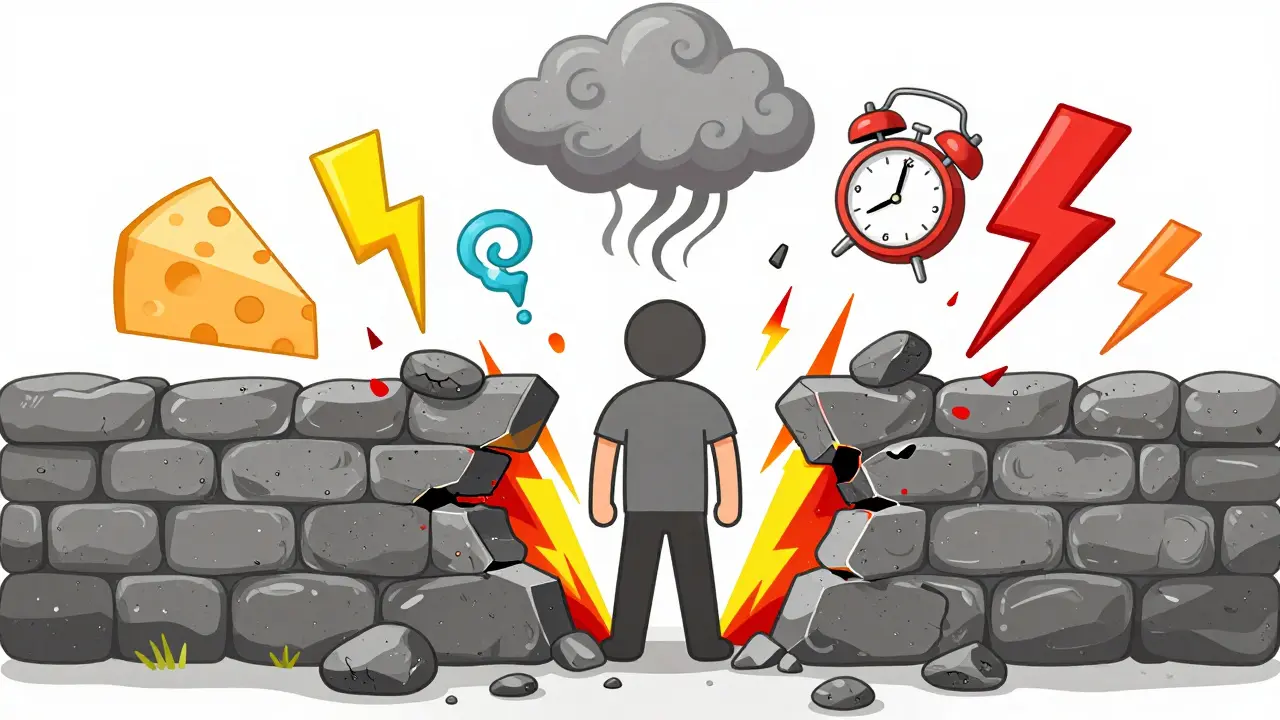
Why did that specific piece of cheese or a sudden dip in temperature spark a four-hour blackout curtain session? The answer lies in your unique trigger profile. While some people have a clear "smoking gun," others find their attacks are random. In reality, it's often the migraine triggers acting in combination that push you over the edge. This is known as the "threshold theory": one trigger might not do it, but stress plus a poor night's sleep plus a glass of red wine can easily trigger an attack.
Stress is the heavyweight champion of triggers, affecting up to 80% of sufferers. Interestingly, some people experience "let-down migraines," where the attack hits only after the stress vanishes-like the moment you finally sit down on your first day of vacation. This shows how sensitive the brain is to shifts in state, not just the presence of tension.
Environmental and sensory inputs also play a huge role. You might find that flickering fluorescent lights in an office or the strong scent of a colleague's perfume acts as a catalyst. Weather shifts are equally potent; for about 53% of people, a drop in barometric pressure (the feeling in the air right before a storm) can initiate a neurological event.
| Trigger Category | Common Examples | Estimated Impact |
|---|---|---|
| Psychological | High stress, anxiety, "let-down" effect | 50% - 80% of cases |
| Biological | Menstruation, ovulation, irregular sleep | ~65% of women |
| Environmental | Barometric pressure, strobe lights, loud noise | ~53% of cases |
| Dietary | MSG, aged cheeses, red wine, aspartame | Highly individual |
Preventive Strategies: Stopping the Storm Before It Starts
If you're spending half your month in a dark room, acute treatment isn't enough. You need a defensive strategy. Preventive medications are drugs taken daily to reduce the frequency, severity, and duration of migraine attacks. The goal here isn't to stop a headache that has already started, but to raise your "threshold" so triggers don't work as effectively.
Doctors typically look at several classes of medication depending on your health history. Beta-blockers, such as Propranolol, are often a first line of defense because they regulate blood flow and heart rate. Others might be prescribed Anticonvulsants like Topiramate, which stabilize the electrical activity in the brain. For those who don't respond to older drugs, newer CGRP inhibitors (Calcitonin Gene-Related Peptide) represent a breakthrough. These specifically target the protein that transmits pain signals during a migraine, rather than affecting the whole nervous system.
Beyond the pharmacy, lifestyle consistency is your best friend. The migraine brain hates change. Eating at the same time every day, maintaining a strict sleep schedule (even on weekends), and staying hydrated can significantly lower your baseline vulnerability.
Acute Care: Dealing with an Active Attack
When the aura starts-maybe you see flashing lights or feel a tingling in your arm-you are in the window for acute care. The goal here is fast, aggressive intervention to stop the pain before it peaks. Acute care is treatment administered during a migraine attack to abort the pain and associated symptoms.
For mild to moderate attacks, over-the-counter NSAIDs are often the first choice. However, for moderate to severe cases, Triptans (like Sumatriptan) are the gold standard. These work by narrowing blood vessels in the brain and blocking pain pathways. If triptans don't work or cause too many side effects, newer medications called Gepants offer an alternative that doesn't constrict blood vessels, making them safer for people with certain cardiovascular risks.
Don't forget the non-drug tools. A cold compress on the forehead, a completely dark room, and a small amount of caffeine (which can help some medications work faster) are classic for a reason. The key is to act early; waiting until the pain is a 10/10 often makes the medication less effective.
Mastering Your Headache Diary
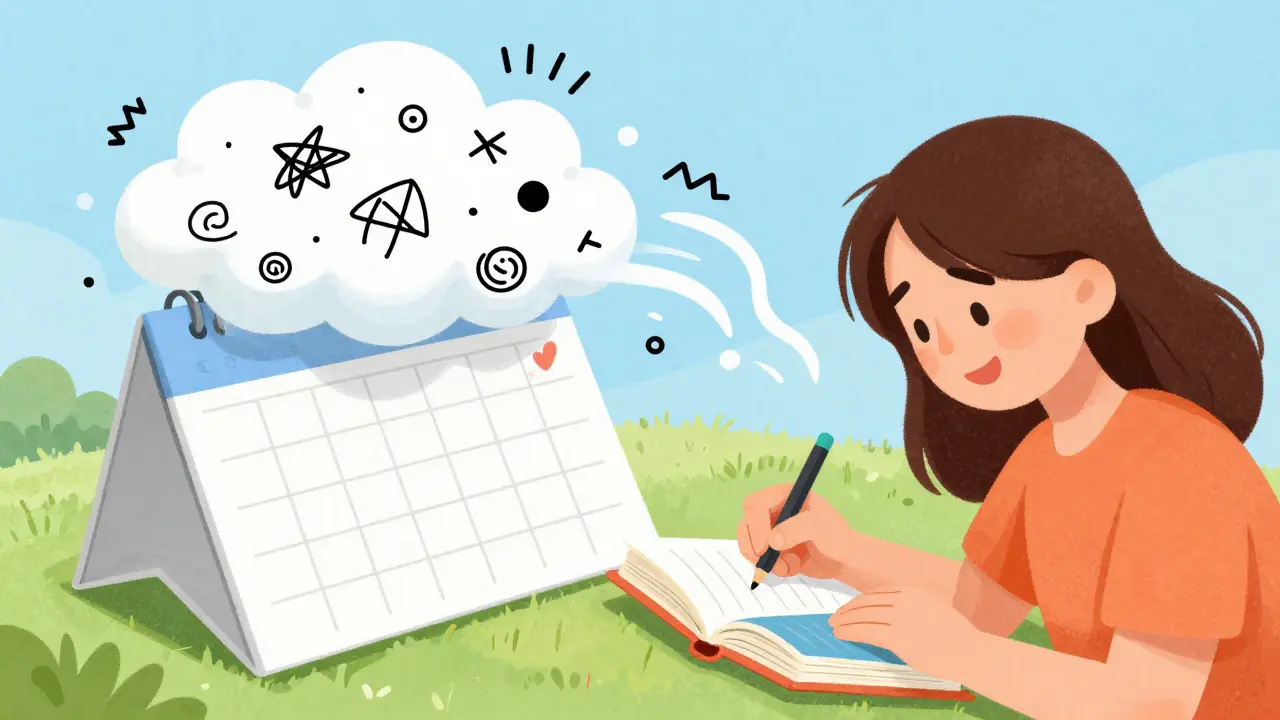
How do you know if it was the chocolate or the weather? You can't rely on memory because the pain of a migraine often creates a "brain fog" that wipes out the details. This is where a systematic diary becomes your most powerful tool. Tracking isn't just about listing headaches; it's about mapping your life.
A useful diary should track:
- Sleep: Did you get 8 hours? Did you sleep in too late?
- Food: Did you skip lunch? Did you have a glass of wine?
- Environment: Was there a storm? Were you under bright lights?
- Cycle: For women, where are you in your menstrual cycle?
- Intensity: On a scale of 1-10, how bad was the pain?
After three months of tracking, patterns usually emerge. You might realize that you don't actually react to chocolate, but you always get a migraine 24 hours after a high-stress meeting at work. This data allows you to have a targeted conversation with your doctor rather than guessing during a 15-minute appointment.
Can caffeine actually help a migraine?
Yes, but it's a double-edged sword. For some, a cup of coffee can narrow blood vessels and boost the effectiveness of pain relievers. However, for others, caffeine is a primary trigger. Even worse, "caffeine withdrawal" (missing your morning cup) is a very common cause of rebound headaches.
What is the difference between a tension headache and a migraine?
Tension headaches usually feel like a tight band around the head and aren't typically accompanied by other symptoms. Migraines are usually one-sided, pulsing, and come with nausea, light sensitivity, or visual "auras" (like seeing zig-zags or blind spots).
Are there any "natural" ways to prevent migraines?
While not a replacement for medication in severe cases, maintaining a consistent circadian rhythm is huge. This means waking up and going to bed at the same time every day. Managing stress through psychotherapy or mindfulness can also raise your threshold, making you less reactive to triggers.
Why do I get migraines on the weekends?
These are often called "let-down migraines." When your stress levels drop suddenly-like when you stop working on Friday evening-your brain chemistry shifts. This relaxation phase can actually trigger an attack in people sensitive to cortisol changes.
Can a migraine cause a stroke?
While migraines themselves are not strokes, some people with "migraine with aura" have a slightly higher statistical risk of ischemic stroke. This is why it's important to discuss your history with a neurologist, especially if you smoke or use certain hormonal contraceptives.
Next Steps for Relief
If you're currently struggling, start with a simple log. Don't try to change your entire diet overnight-that just adds more stress. Instead, track your patterns for one month. If you're having more than four "headache days" a month, it's time to move from acute care to a preventive conversation with a healthcare provider.
For those who find that traditional medications cause too many side effects, ask your doctor about CGRP inhibitors or behavioral therapy. The goal isn't just to survive the next single attack, but to reclaim your calendar and stop living in fear of the next flicker of light.
william wang
April 15, 2026 AT 15:39The mention of CGRP inhibitors is spot on. I've seen a lot of patients find success with these when Triptans just aren't cutting it anymore. It's really about that targeted approach to the protein pathways rather than a shotgun method for the whole nervous system.
Joshua Nicholson
April 16, 2026 AT 02:13Kind of a lot of reading just to be told to keep a diary lol
Nell O'Leary
April 17, 2026 AT 04:35Totally agree with the approach to circadian rhythm stability! Managing the glycemic index and ensuring a consistent sleep-wake cycle helps minimize the prodrome phase for so many of us :) :)
Autumn Bridwell
April 17, 2026 AT 11:05OH MY GOD the let-down migraine is the absolute worst thing to happen to a human being! I literally spent my entire honeymoon in a hotel room in Hawaii because the moment I relaxed my brain decided to explode into a million pieces of agony and I just cannot believe how unfair it is that our bodies betray us like this!
Cheryl C
April 17, 2026 AT 14:28Best country for meds is definitely USA 🇺🇸🇺🇸 nothing beats our doctors even if the bill is scary lol. hope u all feel better soon!! ❤️✨
Nathan Berlin
April 19, 2026 AT 09:02Typical western obsession with pills 🙄 India has far superior holistic traditions that handle these neurological issues without destroying your liver with chemicals 🇮🇳🇮🇳
ira fitriani
April 20, 2026 AT 11:57Stay strong everyone! 🌟 It is such a battle but tracking your triggers is a huge victory in reclaiming your life. You are not alone in this struggle! 💪✨
Rob Schlautman
April 21, 2026 AT 03:03it is just so typical that people think a little notebook is going to solve a complex neurological cascade because i have tried every single diary method known to man and yet the pain still arrives like an uninvited guest at a party i never wanted to attend and honestly the way the medical community pushes these beta blockers without mentioning the soul crushing fatigue that comes with them is just a joke in my humble opinion
Rock Stone
April 21, 2026 AT 17:19Just keep pushing through guys. It's a grind but once you find that one combo of meds and habits that works the freedom is incredible. Keep your heads up!
Bonnie Piersall
April 22, 2026 AT 04:06The descriptions here are quite apt. Navigating the labyrinth of triggers requires a certain amount of fortitude and a very keen eye for detail. It is truly an uphill battle to maintain that biological equilibrium when the world is so chaotic.