Performance Enhancement Risk Calculator
Risk Assessment Tool
Calculate potential health risks from performance-enhancing substances based on the article's research data.
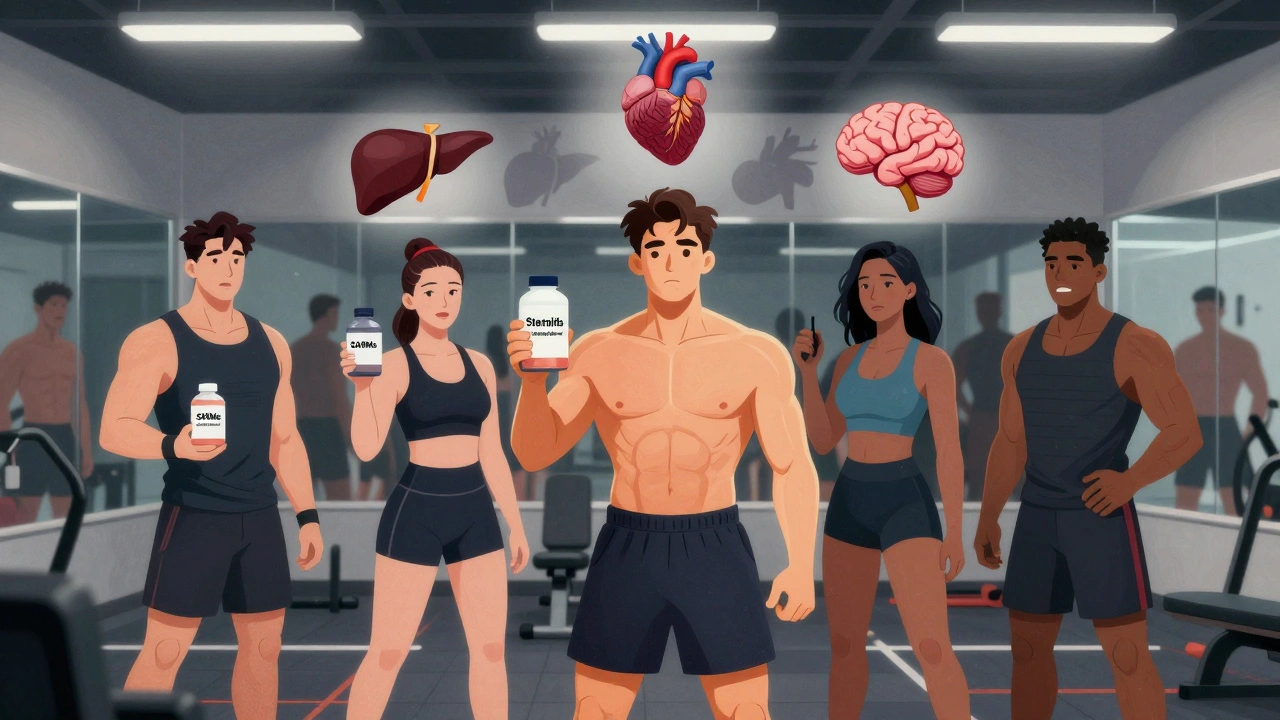
Many athletes, from weekend gym-goers to competitive competitors, turn to medications hoping to push past their limits. But what they don’t always realize is that the very drugs meant to boost performance can wreck their health-sometimes permanently. It’s not just about banned substances like anabolic steroids anymore. Today, it’s also about over-the-counter supplements, hormone creams sold as "anti-aging" treatments, and research chemicals labeled "not for human consumption." The line between fitness and danger has blurred, and the consequences are showing up in emergency rooms, cardiologist offices, and mental health clinics.
What You’re Really Taking
Most people think of performance-enhancing drugs as something only elite athletes use. That’s outdated. In 2023, research from the University of Colorado found that 60-80% of anabolic steroid users are recreational gym-goers-not Olympians. These are people working out after work, posting selfies on Instagram, trying to look faster, stronger, or leaner. They’re buying pills online, mixing powders in kitchen blenders, and trusting Reddit forums over doctors. The most common substances? Anabolic steroids like nandrolone and stanozolol. These mimic testosterone, tricking your body into building muscle faster. Users report gaining 4.5 to 11 pounds of muscle in just 10 weeks. Sounds great, right? But here’s what they don’t tell you: your heart gets bigger too. Studies show steroid users develop 27-45% more cardiac muscle mass than non-users. That doesn’t mean better performance-it means your heart is working harder, pumping blood through stiffened arteries. Echocardiograms reveal reduced pumping efficiency in chronic users. This isn’t hypothetical. There are documented cases of heart attacks in athletes under 30 with no prior history of heart disease. Then there are stimulants. Caffeine is legal, but doses above 3-6 mg per kg of body weight (that’s about 5-8 cups of strong coffee for a 180-lb person) start crossing into dangerous territory. Amphetamines and ephedrine are even worse. In the U.S. alone, energy drink overdoses send over 2,000 people to the ER every year. These drugs spike dopamine and norepinephrine, giving you a false sense of energy. You push harder in the gym, ignore pain signals, and end up tearing tendons that haven’t caught up to your new muscle strength. One study found athletes on stimulants suffered tendon ruptures at only 70% of their predicted load capacity. Blood doping-injecting oxygen-carrying substances like EPO or transfusing your own stored blood-is another method. It can boost VO2 max by 5-15%, helping endurance athletes go longer. But when hematocrit (the percentage of red blood cells in your blood) rises above 50%, your blood thickens like syrup. Stroke risk jumps sevenfold. You don’t need to be an elite cyclist to do this. Underground labs sell EPO in vials labeled as "vitamin blends."The Hidden Costs
The side effects aren’t just physical. They’re psychological, hormonal, and often irreversible. Men using steroids often see their testicles shrink to 2-4 mL (normal is 15-25 mL). Sperm counts drop below 1 million per mL-far below the 15 million needed for fertility. Many don’t recover natural testosterone production for 6-12 months after stopping. Some never do. AAFP data shows 38% of long-term users develop post-steroid hypogonadism, requiring lifelong hormone replacement therapy. Women face different but equally serious risks. About 35% experience permanent voice deepening. Clitoral enlargement beyond 2.5 cm is documented in clinical cases. Facial hair growth, acne, and menstrual disruption are common. These changes don’t always reverse, even after quitting. Mental health takes a hit too. A 2022 survey of recreational users found 83% had severe mood swings during cycles. Depression during off-cycles was reported by 67%. One Reddit user wrote: “I gained 25 lbs of muscle in 10 weeks. Lost it all in 8 weeks off. Then I couldn’t get out of bed for months.” That’s not just sadness-it’s clinical depression triggered by plummeting hormone levels. And then there’s the liver. Oral steroids like oxymetholone and methandrostenolone are especially toxic. NHS data shows 68% of users have elevated liver enzymes-early signs of damage. Long-term use can lead to liver tumors or peliosis hepatis, where blood-filled cysts form in the organ.Why Doctors Miss It
Here’s the scary part: your doctor probably doesn’t know you’re using these drugs. A 2021 study by the American Academy of Family Physicians found that 7 out of 10 family doctors fail to recognize steroid use during routine checkups. Why? Because users don’t tell them. Only 12% of recreational athletes admit to using performance-enhancing drugs during medical visits. The rest think it’s private, harmless, or won’t matter. Even when symptoms show up-high blood pressure, low testosterone, abnormal liver tests-doctors often misattribute them to stress, aging, or poor diet. They don’t ask about supplements. They don’t check for hormone imbalances unless it’s obvious. Meanwhile, users are self-medicating with substances that aren’t regulated, tested, or labeled correctly. The FDA tested over 100 SARMs (selective androgen receptor modulators) sold as “safer steroids.” 89% contained different, unapproved chemicals than what was on the label. Some had liver-toxic compounds not even studied in humans. You’re not buying what you think you’re buying.
Therapeutic Use Exemptions Aren’t a Loophole
Some athletes try to justify use by claiming they need medication for a medical condition. That’s where Therapeutic Use Exemptions (TUEs) come in. But they’re not easy to get. WADA requires proof of a legitimate diagnosis-like hypothyroidism or asthma-plus documentation showing you’ve tried non-prohibited treatments first. You need two blood tests showing testosterone levels below 250 ng/dL. You can’t get a TUE just because you want more muscle or faster recovery. Clinics that offer “bio-identical hormone replacement” for anti-aging or wellness purposes are often giving out prohibited substances illegally. These aren’t medical treatments-they’re loopholes.What Happens When You Quit?
Many users think they can just stop and return to normal. It’s not that simple. After stopping steroids, your body’s natural testosterone production shuts down. It can take months-or years-to restart. During that time, you lose muscle fast. Fat increases. Energy crashes. Depression hits hard. Many users cycle back on drugs just to feel normal again. Cardiovascular damage is another long-term issue. While some heart changes may improve after stopping, fibrosis (scarring) in heart tissue appears permanent. That means even if you feel fine now, your heart may be more vulnerable to failure later in life. Recovery isn’t just about hormones. It’s about rebuilding trust in your body. Many users spend years trying to regain confidence without drugs. That’s a psychological battle no pill can fix.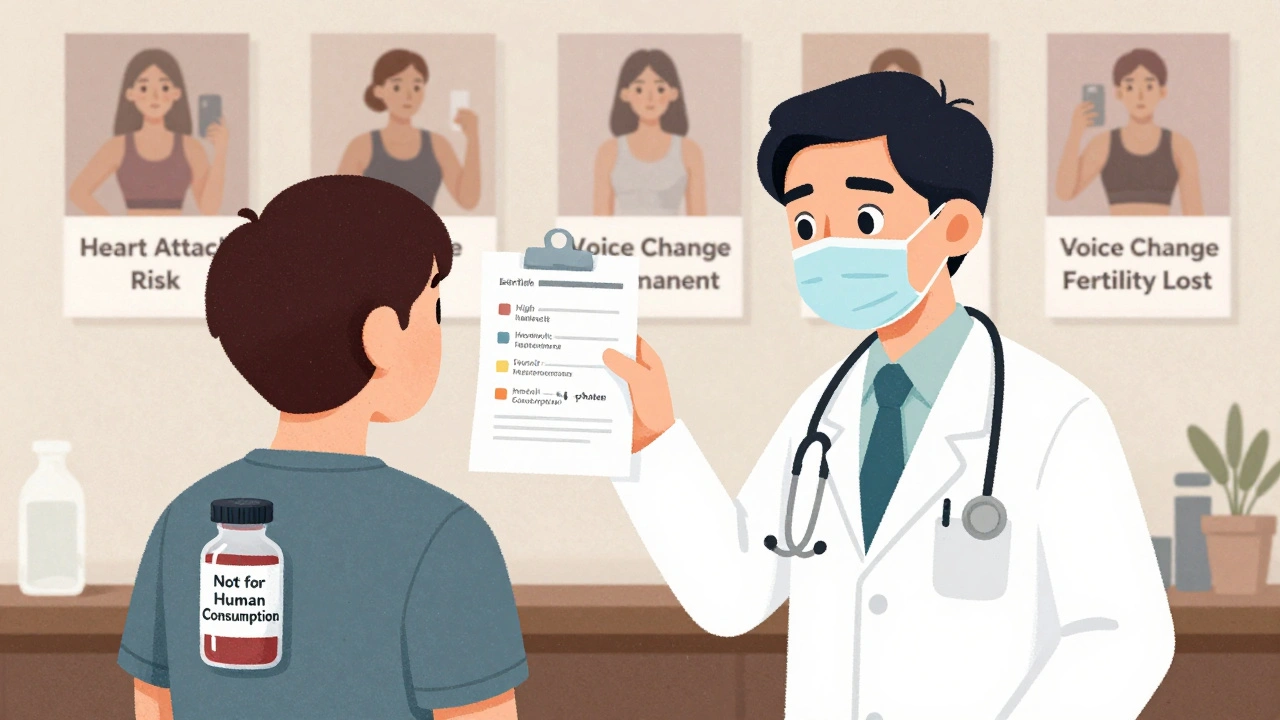
Is There a Safe Way?
There’s no safe way to use performance-enhancing drugs if your goal is to exceed natural human limits. The risks outweigh the rewards-every time. Natural training takes longer. You won’t gain 10 pounds of muscle in 10 weeks. But you’ll keep your heart, liver, and mental health intact. You’ll sleep better. You won’t need to hide your meds. You won’t risk losing your career, your relationships, or your life. If you’re struggling to reach your goals naturally, talk to a certified strength coach or sports dietitian. Proper nutrition, sleep, and periodized training can get you 90% of the way there without a single pill. The last 10% isn’t worth the cost.What You Can Do
If you’re using performance-enhancing drugs:- Stop hiding it. Talk to a doctor who understands sports medicine-not just your general practitioner.
- Get blood work done: testosterone, liver enzymes, lipids, hematocrit.
- Don’t rely on online forums for medical advice. Reddit isn’t a substitute for a lab report.
- If you’re feeling depressed or anxious after stopping, seek mental health support. This isn’t weakness-it’s recovery.
- Ask open-ended questions: “How are you feeling lately?” instead of “Are you on steroids?”
- Focus on health, not appearance. Compliment effort, not physique.
- Know the signs: rapid muscle gain, acne, mood swings, shrinking testicles, voice changes in women.
Final Thought
Athletics should celebrate human potential-not chemical manipulation. The body is capable of incredible things when trained with patience and care. But when you start injecting substances to outpace nature, you’re not becoming stronger. You’re becoming a lab experiment. The stats don’t lie: 1 in 5 recreational gym users are on PEDs. The health consequences are real. The recovery is hard. The damage, often permanent. You don’t need to be an Olympian to risk your life for a few extra pounds of muscle. The real victory isn’t in how big you get. It’s in how long you live-and how well you feel when you’re done.Are performance-enhancing drugs only banned for professional athletes?
No. The World Anti-Doping Agency (WADA) prohibits these substances for all athletes, regardless of competition level. But the bigger issue is that many recreational users aren’t even aware they’re breaking rules. Substances like anabolic steroids, SARMs, and EPO are banned in all sports, including amateur leagues, fitness competitions, and even military fitness tests. Just because you’re not being tested doesn’t mean it’s legal or safe.
Can you safely use steroids under a doctor’s supervision?
Only in very specific medical cases-like hormone replacement therapy for hypogonadism or treating muscle wasting from cancer or HIV. Even then, doses are kept at physiological levels, not the 5-10x higher doses used for muscle gain. Doctors won’t prescribe steroids just to help you build more muscle or recover faster. That’s not a medical need-it’s enhancement. Using them for performance reasons, even with a prescription, violates medical ethics and anti-doping rules.
Do SARMs really have fewer side effects than steroids?
No. SARMs were designed to target muscle tissue without affecting the prostate or liver, but that’s mostly theoretical. Real-world testing by the FDA shows 89% of SARMs products contain different, unapproved chemicals. Many include compounds that cause liver damage, hormonal suppression, or heart issues. There’s no long-term safety data because they haven’t been properly studied in humans. Calling them “safer” is marketing, not medicine.
How long does it take to recover after stopping steroids?
Recovery varies. Muscle mass drops quickly-often within 6-8 weeks. Hormonal recovery takes longer: testosterone levels may return to normal in 3-6 months for some, but 38% of long-term users need medical intervention for up to a year or more. Liver enzymes can normalize in weeks, but heart fibrosis and voice changes are often permanent. Mental health symptoms like depression can linger for months. Full recovery isn’t guaranteed.
Can you get tested for steroid use without being an athlete?
Yes. Blood tests for testosterone, LH, FSH, liver enzymes, and hematocrit can be ordered by any doctor. If you’re concerned about your health or suspect you’ve been using unregulated substances, ask for a comprehensive metabolic panel and hormone panel. You don’t need to be an athlete to get tested. In fact, many users only seek testing after symptoms like fatigue, depression, or erectile dysfunction appear.
Arun kumar
December 2, 2025 AT 23:47bro i just started lifting and bought some "test booster" off amazon cuz my cousin said it was legit... turned out it was just creatine and ashwagandha but labeled like some sci-fi drug. now i’m scared to take anything not prescribed. why do we trust strangers on reddit more than our own doctors?
Shannara Jenkins
December 3, 2025 AT 09:28This hit me hard. I used to chase that ‘gym bro’ look for years-until I started having panic attacks after every cycle. I didn’t realize it was the drugs until my therapist asked, ‘When was the last time you felt calm?’ I couldn’t remember. Recovery isn’t about losing muscle-it’s about getting your soul back. You’re not weak for needing help. You’re brave for asking.
Jay Everett
December 3, 2025 AT 20:22Y’know what’s wild? The same dudes who’ll drop $200 on a ‘legal steroid’ will skip their annual checkup because ‘they’re fine.’ Meanwhile, their liver enzymes are screaming like a banshee and they’re too proud to say, ‘Hey doc, I’ve been dosing.’ You don’t need a PhD to know your body’s sending SOS signals. Get tested. Don’t be a statistic. 💪🩺
Steve Enck
December 4, 2025 AT 18:14It is axiomatic that the pursuit of physical augmentation via exogenous hormonal manipulation constitutes a metaphysical surrender to the hegemony of aesthetic capitalism. The body, in its natural state, is a site of epistemic resistance; to pharmacologically transcend its limits is to participate in the commodification of corporeal authenticity. One must interrogate not merely the pharmacology, but the ontological framework that renders muscle mass synonymous with self-worth.
Zed theMartian
December 5, 2025 AT 22:26Oh please. You’re acting like people who take steroids are idiots. I’ve seen a 45-year-old dad bench 315 on 10mg of nandrolone. He’s healthier than half the gym bros who eat kale and cry about ‘natural gains.’ The real tragedy? The government bans these because they can’t control them. If it were legal, regulated, and tested, we wouldn’t have 89% of SARMs being toxic. This isn’t about health-it’s about control.
dave nevogt
December 6, 2025 AT 06:57There’s a quiet tragedy here that nobody talks about: the loss of identity. You spend years building yourself around a chemical version of who you think you should be. Then you stop. The mirror doesn’t lie. The strength fades. The confidence evaporates. And suddenly you’re not a ‘beast’ anymore-you’re just… you. And you don’t know who that is anymore. It’s not the muscle you miss. It’s the person the drugs made you believe you were. Recovery isn’t hormonal. It’s existential.
मनोज कुमार
December 7, 2025 AT 18:04stats are solid but nobody cares. if u wanna be big take steroids. if u wanna live long dont. simple. no need for 10k word essay. also SARMs are fine if u get from legit lab. stop fearmongering.
Elizabeth Grace
December 8, 2025 AT 21:31My ex was on it for 2 years. One day he just… stopped. Didn’t say why. Just started wearing hoodies all the time. Couldn’t look me in the eye. He lost 20 lbs of muscle in 3 weeks. Then he started crying in the shower. I didn’t know what to do. I just held him. He didn’t need advice. He needed someone to say, ‘I see you. And you’re still enough.’