
Restless Leg Syndrome isn’t just about leg discomfort-it’s a neurological condition that steals sleep, drains energy, and can turn nights into battles. For decades, dopaminergic drugs like pramipexole and ropinirole were the go-to solution. But today, that’s changing. What worked a decade ago may now be making things worse.
What Happens When Dopamine Medications Don’t Work Anymore
People with Restless Legs Syndrome (RLS) feel an irresistible urge to move their legs, often with crawling, aching, or tingling sensations. These symptoms hit hardest at night or during quiet moments-like sitting in a movie theater or trying to fall asleep. For years, doctors reached for dopamine agonists because they worked fast. Within an hour, patients reported relief. But here’s the catch: those same drugs, taken daily for more than six months, start to backfire. This isn’t rare. It happens in 40-60% of patients within a few years. The condition doesn’t just stay the same-it gets worse. Symptoms begin earlier in the day, spread to the arms, and occur almost every night. This is called augmentation. It’s not a side effect. It’s the disease being made worse by the treatment. A 2022 study in Sleep Medicine Reviews found that 7-12% of patients develop augmentation each year on dopamine agonists. After five years, that number climbs to nearly 80%. That’s not a small risk. That’s a predictable outcome.Why Dopamine Drugs Cause More Problems Than They Solve
Dopamine agonists like Mirapex (pramipexole) and Requip (ropinirole) mimic dopamine in the brain’s A11 region, which controls leg movement. But RLS isn’t simply a dopamine deficiency. It’s linked to low iron levels in the brain, which disrupts how dopamine functions. Giving more dopamine doesn’t fix the root issue-it overloads the system. The brain adapts. Neurons become less responsive. The body starts needing higher doses just to get the same relief. Then, symptoms creep into daytime hours. Legs aren’t the only problem anymore-arms, chest, even the face can be affected. And it’s not just movement. Many patients report increased anxiety, insomnia, and depression as symptoms worsen. There’s another hidden danger: impulse control disorders. A 2019 study in Movement Disorders found that 6.1% of RLS patients on dopamine agonists developed compulsive gambling, shopping, or eating behaviors. That’s more than 10 times the rate in the general population. These aren’t just side effects-they’re life-altering.The New First-Line Treatment: Alpha-2-Delta Ligands
Since 2024, the American Academy of Sleep Medicine has officially moved away from dopamine agonists as first-line therapy. The new standard? Alpha-2-delta ligands like gabapentin enacarbil (Horizant) and pregabalin (Lyrica). These drugs don’t touch dopamine. Instead, they calm overactive nerves in the spinal cord and brain. They take longer to work-days to weeks-but once they do, they don’t cause augmentation. That’s huge. A 2023 meta-analysis in JAMA Neurology compared pramipexole (0.5 mg) and pregabalin (150 mg) over a year. At 12 weeks, both reduced symptoms equally. But by 52 weeks, pramipexole’s effectiveness dropped by 35% due to augmentation. Pregabalin? Still working as well as day one. Patients on gabapentin enacarbil report fewer side effects than those on dopamine drugs. Dizziness and weight gain happen, but not the terrifying progression of symptoms. And unlike dopamine agonists, these drugs don’t carry black box warnings from the FDA.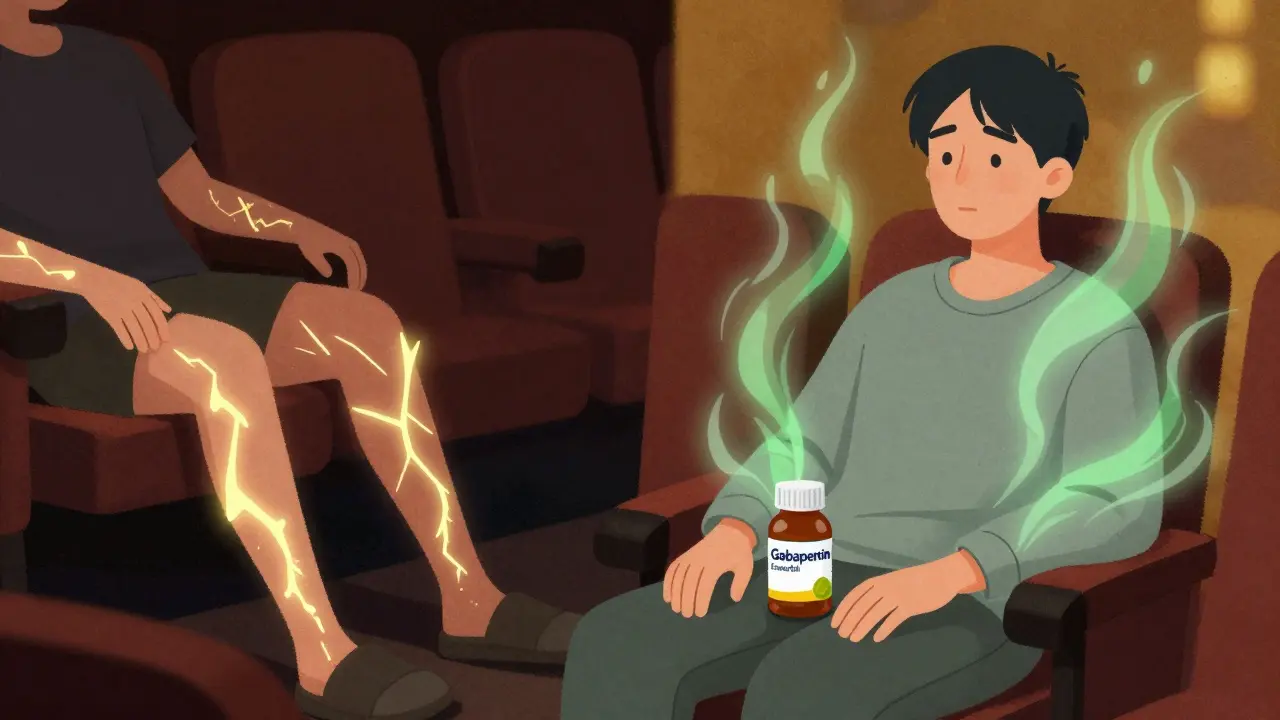
When Dopamine Medications Might Still Make Sense
This isn’t to say dopamine drugs are useless. For someone who only has RLS two or three nights a week, a low dose of pramipexole (0.125 mg) taken only on those nights can be safe and effective. The problem isn’t occasional use-it’s daily, long-term use. Carbidopa-levodopa (Sinemet) is another option for as-needed relief. It works quickly and is useful for travel or special events. But daily use? It causes augmentation in 70% of patients within six months. That’s a hard limit. The key is timing and dosing. If you’re on a dopamine agonist and your symptoms are getting worse-starting earlier, spreading to your arms, feeling more intense-it’s not your condition getting worse. It’s the medication.What to Do If You’re Already on Dopamine Medication
If you’ve been on Mirapex, Requip, or Neupro for more than six months and notice changes in your symptoms, talk to your doctor. Don’t stop suddenly. Abrupt withdrawal can cause severe rebound symptoms. The safest approach is a slow taper. Reduce your dose by 25% every one to two weeks while starting gabapentin enacarbil or pregabalin. A 2023 study in Sleep Medicine showed an 85% success rate using this method. Most patients report feeling better-not worse-once they’re off dopamine drugs. Your doctor should also check your iron levels. A serum ferritin below 75 mcg/L is a red flag. Oral iron supplements (100-200 mg elemental iron daily) can improve symptoms by 35% in iron-deficient patients. This isn’t a magic pill-it’s foundational. Iron deficiency is one of the most treatable causes of RLS.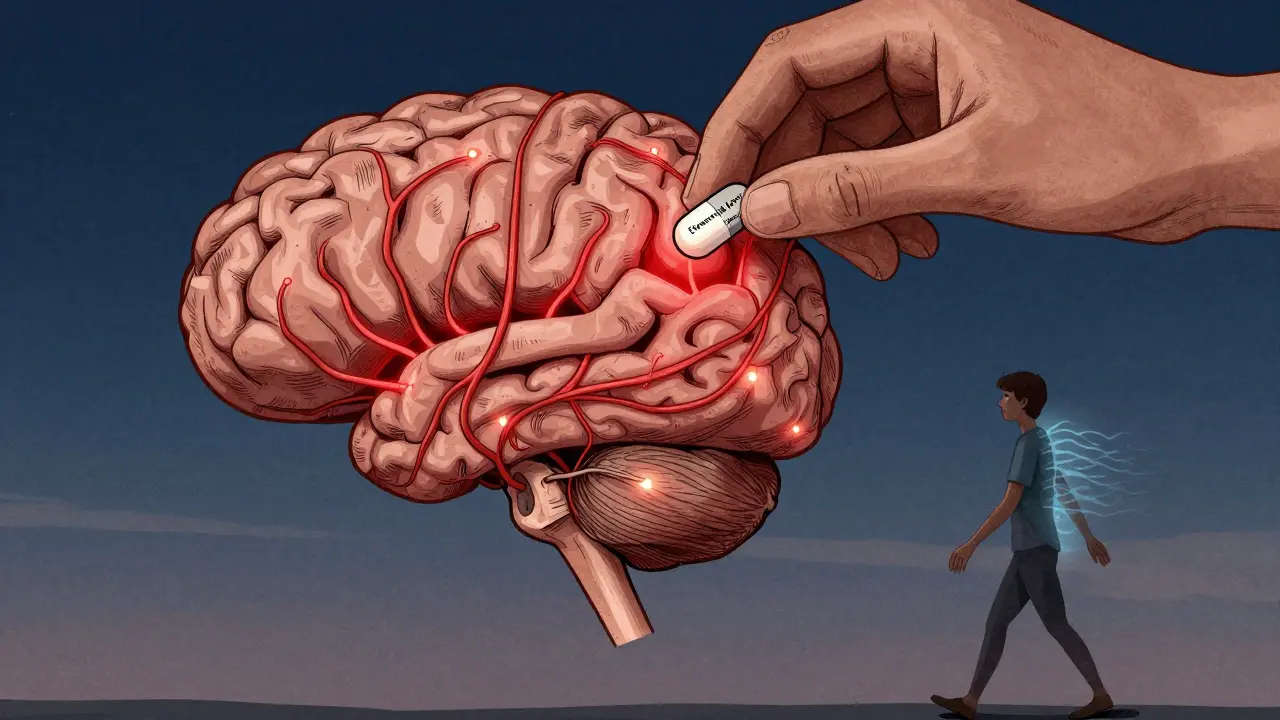
Lifestyle Changes That Actually Help
Medication isn’t the whole story. Many people don’t realize how much their habits affect RLS. Caffeine is a major trigger. A 2022 study found 80% of RLS patients consume caffeine daily. Cutting out coffee, tea, soda, and chocolate can reduce symptoms by 20-30%. Alcohol makes RLS worse in 65% of people. Even one drink at night can prolong symptoms. Sleep hygiene matters. Going to bed and waking up at the same time every day, avoiding screens before bed, and keeping the bedroom cool and dark can improve sleep quality and reduce nighttime restlessness. Regular, moderate exercise helps-but intense workouts late at night can trigger symptoms. Walking, swimming, or yoga in the afternoon are ideal.What’s Next for RLS Treatment
The future of RLS care is moving beyond dopamine. Three new treatments are in phase 3 trials as of 2025:- A novel iron chelator called Fazupotide, designed to restore iron levels in the brain
- A selective dopamine receptor agonist that targets only the A11 region without triggering augmentation
- Transcranial magnetic stimulation, a non-drug method that uses magnetic pulses to calm overactive nerves
Real Stories, Real Outcomes
On patient forums, the pattern is clear. One Reddit user, RLSWarrior42, wrote: “After two years on Mirapex, my symptoms started at 2 PM. My arms joined in. I was terrified. It took six months to taper off.” Another, SleepLessInSeattle, said: “Mirapex saved me during pregnancy. But my doctor made me stop right after delivery. I’m glad he did.” Dr. John Winkelman, who led the research that changed RLS treatment, says it plainly: “If you find yourself in a hole, stop digging.” That’s the new mantra. The days of reaching for dopamine drugs first are over. The evidence is too strong. RLS treatment now is about sustainability-not quick fixes.Are dopamine agonists still used for Restless Leg Syndrome?
Yes, but only in limited cases. Dopamine agonists like pramipexole and ropinirole are no longer first-line treatments. They’re now reserved for patients with infrequent symptoms (fewer than three nights per week) or those needing short-term relief. Daily, long-term use is strongly discouraged due to the high risk of augmentation, where symptoms worsen and spread to other body parts.
What is augmentation in Restless Leg Syndrome?
Augmentation is when RLS symptoms get worse because of dopamine medication. Instead of appearing only at night, symptoms start earlier in the day-often by 2-6 hours. They become more intense, spread to the arms or torso, and occur more frequently, sometimes every night. It’s not a sign the drug is working better-it means the treatment is making the condition worse.
What are the best alternatives to dopamine agonists for RLS?
The current first-line treatments are alpha-2-delta ligands: gabapentin enacarbil (Horizant) and pregabalin (Lyrica). These drugs calm overactive nerves without causing augmentation. Gabapentin enacarbil is FDA-approved for RLS and reduces symptoms by 40-60%. Pregabalin is used off-label with similar results. Both require days to weeks to work fully but maintain effectiveness long-term.
Can iron supplements help with Restless Leg Syndrome?
Yes-if you’re iron deficient. A serum ferritin level below 75 mcg/L is a key indicator. Studies show that taking 100-200 mg of elemental iron daily for 12 weeks improves symptoms in about 35% of patients. Iron doesn’t work for everyone, but it’s a simple, safe step that should be checked before starting any medication.
How long does it take for gabapentin enacarbil to work for RLS?
Gabapentin enacarbil usually takes 1-2 weeks to show noticeable improvement, with full effects appearing after 4-6 weeks. Unlike dopamine agonists, which work in an hour, this drug builds up slowly in the system. Patience is key. But once it works, it doesn’t lose effectiveness over time.
Is it safe to stop dopamine medication cold turkey for RLS?
No. Stopping dopamine agonists suddenly can cause severe rebound symptoms, including intense RLS, insomnia, and anxiety. Always taper slowly under medical supervision-typically reducing the dose by 25% every 1-2 weeks while starting a new medication like gabapentin enacarbil. This approach has an 85% success rate in managing withdrawal without worsening symptoms.
Mario Bros
January 10, 2026 AT 02:09Just switched from Mirapex to Horizant last month. My arms stopped screaming at 3 PM. Sleep is actually peaceful now. 🙌
Paul Bear
January 10, 2026 AT 06:31Let’s be clear: dopamine agonists are not ‘medications’-they’re neurological landmines disguised as solutions. The 80% augmentation rate after five years isn’t anecdotal-it’s a statistical inevitability backed by Level 1 evidence. If your clinician still prescribes these as first-line, they’re either negligent or outdated. The AASM guidelines changed in 2024 for a reason. Stop digging.
McCarthy Halverson
January 10, 2026 AT 10:40Iron check first. Always. Ferritin under 75? Supplement. No magic. Just science.
Michael Marchio
January 11, 2026 AT 02:12People don’t realize how dangerous this is. Dopamine agonists don’t just cause augmentation-they rewire your brain’s reward system. I’ve seen patients lose jobs because of compulsive gambling. Lost marriages because of shopping binges. And when they finally stop, the withdrawal is like coming off heroin-except without the sympathy. The FDA black box warning? It’s not a suggestion. It’s a scream into a void.
Bradford Beardall
January 11, 2026 AT 12:12As someone who’s lived with RLS for 18 years, I’ve tried everything. Dopamine drugs gave me temporary relief but ruined my life long-term. Gabapentin enacarbil took 3 weeks to kick in, but now I sleep through the night without fear. The real win? No more arms. No more anxiety. Just quiet. I wish I’d known this 10 years ago.
Ashlee Montgomery
January 12, 2026 AT 12:38It’s not just about replacing one drug with another. It’s about accepting that RLS isn’t a dopamine problem-it’s a brain iron problem. We’ve been treating the symptom while ignoring the root. The shift to alpha-2-delta ligands isn’t progress-it’s a return to basic neurobiology. Why did it take so long?
neeraj maor
January 13, 2026 AT 20:55Who funds these studies? Big Pharma wants you off dopamine drugs because they’re cheaper to replace with gabapentin. The real cause of RLS? EMFs from smart devices and 5G disrupting neural pathways. Iron supplements? A placebo distraction. The truth is buried under corporate-funded ‘guidelines.’
anthony martinez
January 14, 2026 AT 04:49Interesting. So we’re supposed to believe that a drug that works instantly is worse than one that takes weeks to show results? Sounds like a trade-off, not a victory. And why are we ignoring the fact that gabapentin causes weight gain, dizziness, and brain fog? No treatment is clean.
Jake Kelly
January 14, 2026 AT 21:05My mom was on Requip for 7 years. When she finally tapered off, she cried because she felt like herself again for the first time in a decade. This isn’t just medical advice-it’s a second chance at life.
Christine Milne
January 16, 2026 AT 07:17While I appreciate the Western medical narrative, let us not forget that in traditional Indian Ayurvedic practice, RLS is linked to Vata imbalance and treated with warm oil massage, ashwagandha, and regulated sleep cycles. Why are we ignoring millennia of holistic wisdom in favor of synthetic pharmaceuticals? This is cultural arrogance dressed as science.
Ritwik Bose
January 18, 2026 AT 02:12Thank you for this. 🙏 I was on pramipexole for 4 years. Augmentation hit hard. Arms. Daytime. Anxiety. I tapered slowly with gabapentin enacarbil. Took 5 months. But now? I sleep. I breathe. I live. 🌿