Statin Interaction & Risk Checker
Select your current cholesterol medication and a new prescription you are considering adding.
Risk Level
Why does this happen?
...
You take your cholesterol pill every morning without thinking twice. It’s routine. But then you get sick. The doctor prescribes an antibiotic or a heart rhythm medication. A few days later, your thighs feel heavy, your shoulders ache, and you wonder if the medicine is fighting back against you. This isn’t just random pain. Often, it’s the result of a chemical collision known as a drug interaction. When certain medications mix with statins, the risk of myopathy is a medical condition characterized by weakness or inflammation of the muscles, often linked to statin use skyrockets. Knowing exactly which combinations to watch out for could save your kidneys.
We are going to look past the marketing brochures and focus on the chemistry that makes your liver work overtime. The goal here isn’t to scare you away from essential treatments, but to arm you with the specifics needed to ask the right questions during your next prescription fill. We will break down why some antibiotics are safe with statins while others require stopping your heart therapy entirely, how different statin types behave in your body, and the precise signals that indicate your muscles are under attack.
The Hidden Trigger Behind Muscle Pain
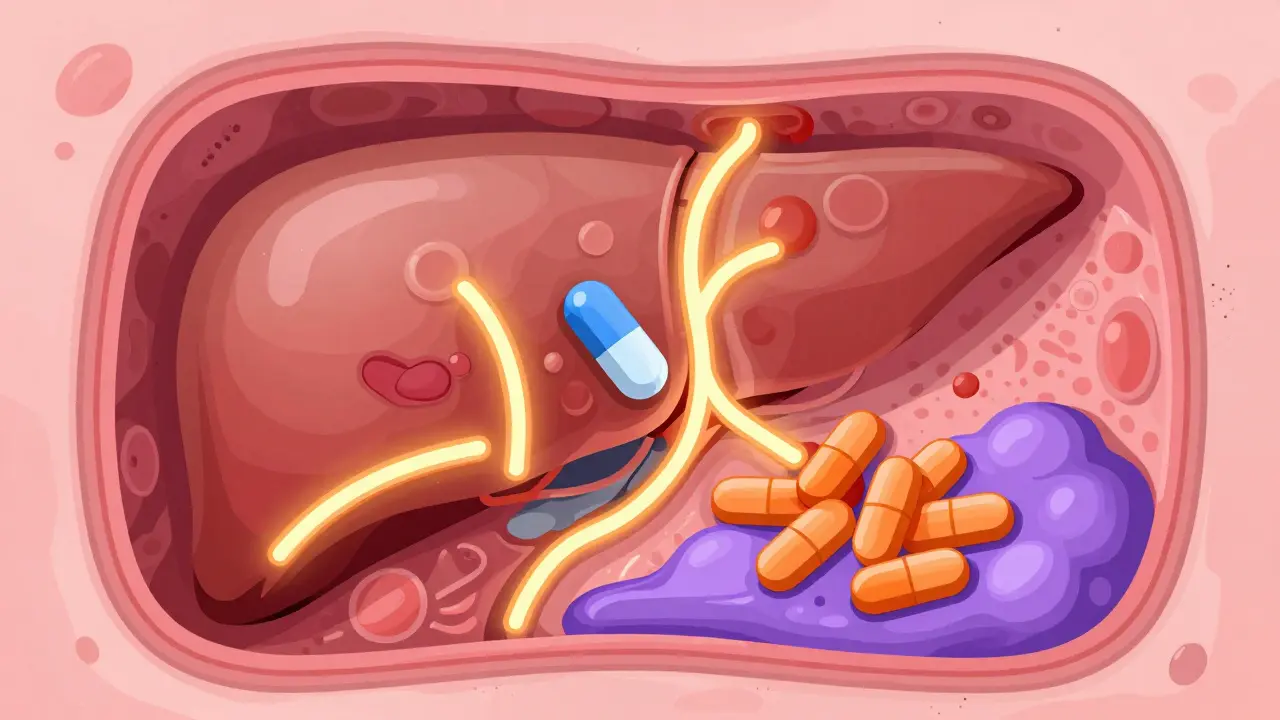
To understand why these interactions happen, you have to look inside the liver. Your liver uses specific enzymes to break down medicines so your body can eliminate them. One of the biggest traffic controllers here is an enzyme system called CYP3A4 is a hepatic enzyme responsible for metabolizing approximately 50% of all drugs. Think of CYP3A4 as a highway exit ramp. Normally, statins enter the liver, get processed by CYP3A4, and leave the system. However, some other medications block this exit ramp. When the ramp is blocked, the statin piles up in your bloodstream to toxic levels, overwhelming your muscle tissue.
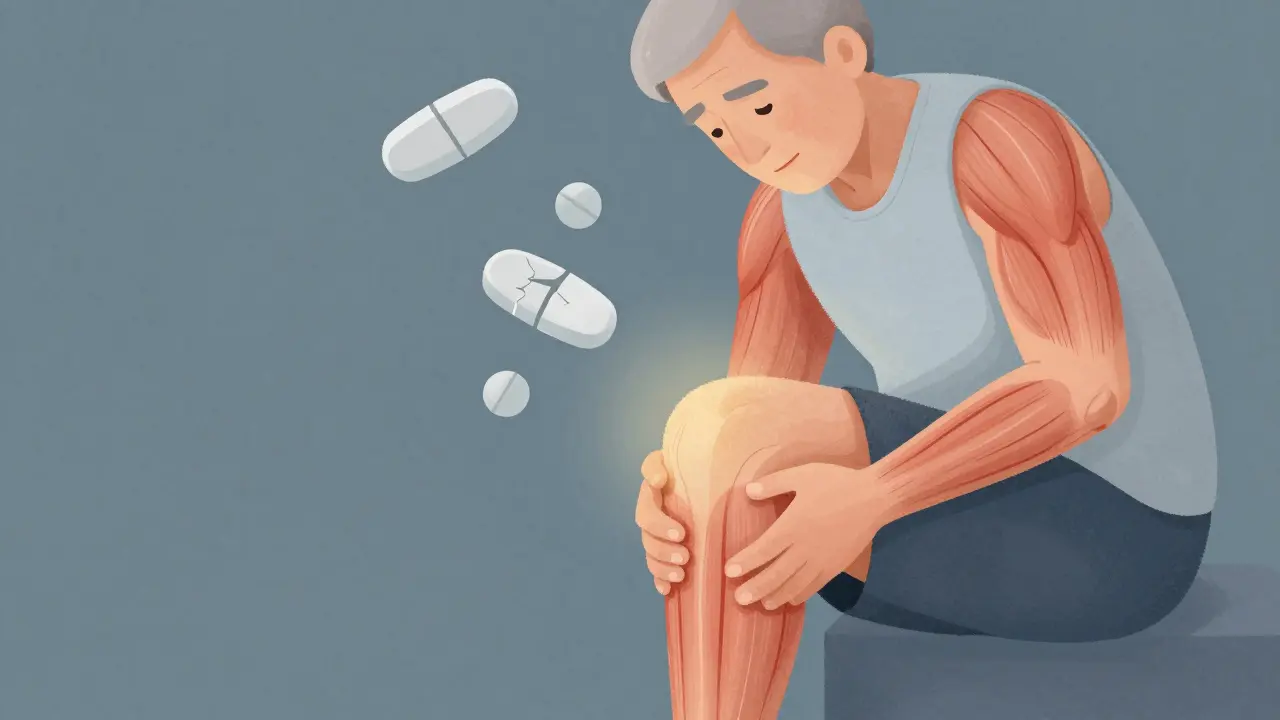
This buildup leads to myopathy. While most people experience mild muscle aches, severe cases can progress to rhabdomyolysis is a serious condition involving rapid muscle breakdown releasing myoglobin into the blood, risking kidney failure. This rare but dangerous reaction releases a protein called myoglobin into your urine, which can clog your kidneys. The clinical definition of myopathy isn’t just a twinge; doctors define it as unexplained muscle weakness accompanied by a creatine kinase (CK) level more than ten times the normal limit. Knowing this distinction matters because ordinary soreness from exercise doesn’t require the same panic as drug-induced toxicity.
Lipophilic Versus Hydrophilic Statins
Not all cholesterol drugs react the same way to these metabolic blockages. The difference lies in their chemical makeup. Some statins are lipophilic, meaning they dissolve easily in fat and can cross cell membranes, including those in muscle tissue. Others are hydrophilic, preferring water-based environments like the blood plasma and having harder time entering muscle cells directly.
- Simvastatin has high potential for interactions due to extensive CYP3A4 metabolism: This is highly lipophilic and relies heavily on the CYP3A4 enzyme. If anything blocks that enzyme, simvastatin levels spike dramatically.
- Atorvastatin has moderate interaction risk compared to simvastatin: Also lipophilic, but its metabolism profile allows slightly more flexibility with certain inhibitors.
- Pravastatin is a hydrophilic statin minimally metabolized by CYP3A4: Because it doesn’t rely on the blocked enzyme pathway, it generally remains safer when mixed with interacting drugs.
- Rosuvastatin offers lower interaction potential but still requires dose monitoring with fibrates: It bypasses the CYP3A4 route almost entirely, making it a go-to alternative for complex medication regimens.
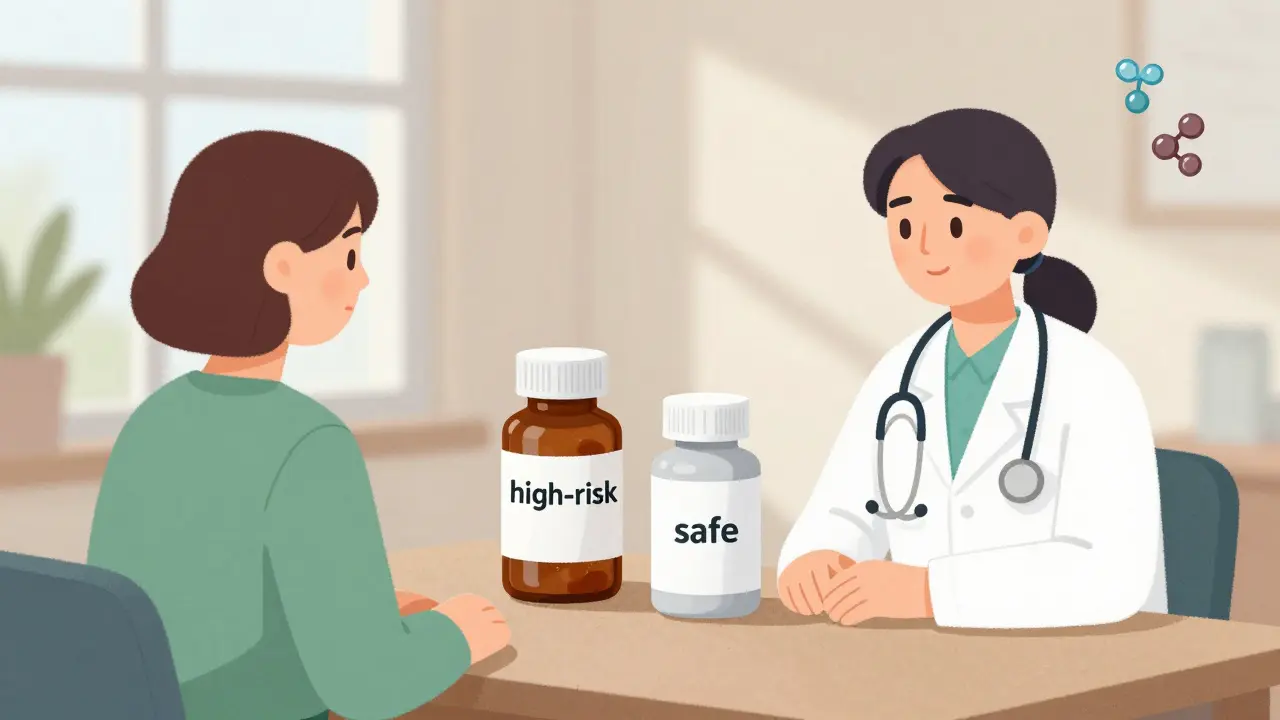
If you are currently taking simvastatin and your doctor prescribes a new drug known to inhibit enzymes, switching to a hydrophilic option like pravastatin or rosuvastatin might be the safest immediate step to lower that myopathy risk.
The Dangerous Drug Combinations You Need to Know
Understanding the general mechanism is useful, but you need to know exactly which prescriptions trigger these alarms. The risk varies significantly based on the specific drug added to your regimen. The following table outlines common culprits and the severity of their interaction with high-risk statins like simvastatin.
| Medication Class | Specific Examples | Risk Level with Simvastatin | Recommended Action |
|---|---|---|---|
| Macrolide Antibiotics | Clarithromycin, Erythromycin | Severe | Hold statin during antibiotic course |
| Antifungals | Itraconazole, Ketoconazole | Severe | Switch to non-interacting statin |
| Antiarrhythmics | Amiodarone | Moderate to High | Limit simvastatin dose to 20mg max |
| Beta Blockers | Diltiazem, Verapamil | Moderate | Monitor closely; consider lower doses |
| Other Lipid Agents | Gemfibrozil | High | Avoid combination completely |
Notice the entry for azithromycin in the macrolide list above. Unlike clarithromycin or erythromycin, azithromycin does not block CYP3A4 effectively, meaning it is much safer to use alongside statins. This nuance is critical because patients often assume "all Z-paks are the same." They aren’t. Similarly, while gemfibrozil pairs dangerously with almost any statin (increasing the risk roughly two-fold by blocking excretion pathways), fenofibrate is generally tolerated better and is the preferred choice if you need a fibrate.
Identifying Symptoms Before Damage Occurs
Early detection stops kidney failure. Most people wait until the pain is unbearable, but the signs appear earlier. You should watch for unexplained muscle tenderness, particularly in the lower legs, hips, and back. If the weakness affects your ability to stand up from a chair or lift your arms over your head, that is a red flag. Dark or brown urine is a major emergency signal indicating myoglobin release.
Blood work provides the confirmation. Doctors measure a protein marker called Creatine Kinase (CK) measures muscle health; elevated levels indicate muscle damage or breakdown. Normal levels vary, but if a test shows CK levels climbing more than five times the upper limit of your lab reference range while you have symptoms, action is needed. If CK exceeds ten times the limit, statin therapy must typically pause immediately until values normalize. Do not ignore mild aches, especially if you recently started a new medication. Reporting early ensures you don’t cross the threshold into permanent muscle injury.
Navigating Specific Patient Scenarios
Managing statins isn’t one-size-fits-all. Your background dictates how aggressively you need to manage risks. Certain physiological factors make muscle breakdown more likely even with smaller dosage spikes. Advanced age, particularly being over 75 years old, increases susceptibility naturally because your liver functions decline slightly. Having a small body frame or low BMI means there is less muscle mass to dilute the concentrated drug, raising concentration levels in the remaining tissue. Chronic kidney disease reduces the clearance rate of both statins and the damaging proteins they release, compounding the danger.
Also, look at your thyroid status. Untreated hypothyroidism drastically lowers the threshold for muscle injury. Hypothyroid patients on statins are statistically much more prone to myalgia. Correcting thyroid levels before restarting statins often resolves the issue entirely. Finally, lifestyle factors play a massive role. Vigorous exercise combined with high-dose statins creates a physical stress on muscles that mimics the effects of a drug interaction, sometimes confusing the diagnostic picture. Keep your exercise routine consistent when reporting symptoms so your doctor understands your baseline physical capacity.
Strategies for Safe Long-Term Management
When avoiding interactions is impossible because you need both medications, we rely on harm reduction protocols. Sometimes you need that antibiotic for a life-threatening infection. In those acute cases, temporary discontinuation of the statin is standard practice. Hold the cholesterol medication for the duration of the antibiotic treatment (usually 3 to 7 days) and restart immediately after. Since many short-term infections won’t ruin your cardiovascular health in that brief window, prioritizing the infection and protecting your muscles is the right move.
If you must take a conflicting drug long-term, such as diltiazem for heart rhythm issues, switch your statin type. As mentioned earlier, moving from simvastatin to pravastatin often eliminates the interaction completely because pravastatin doesn’t use the blocked pathway. Another strategy involves dosing schedules. Intermittent dosing has emerged as a viable option in recent research, such as taking rosuvastatin every other day rather than daily. This maintains cholesterol benefits in many patients while lowering the total drug exposure that triggers the muscle symptoms. Always coordinate these changes with your prescribing physician, but bringing this information to the discussion empowers you to find a sustainable solution.
Can I take Tylenol (acetaminophen) with my statins?
Yes, acetaminophen generally has no significant interaction with statins and is safe for managing minor statin-associated muscle aches. However, frequent heavy alcohol consumption combined with acetaminophen poses its own liver risks.
Is azithromycin safe to take with atorvastatin?
Azithromycin is considered safe for most patients on statins because it does not inhibit the CYP3A4 enzyme responsible for breaking down atorvastatin. Unlike erythromycin or clarithromycin, it rarely causes serum levels of the statin to rise dangerously.
Does grapefruit juice affect statin safety?
Grapefruit juice contains furanocoumarins that inhibit intestinal CYP3A4. This acts similarly to drug interactions. Consuming large amounts of grapefruit with simvastatin or lovastatin can increase statin absorption and myopathy risk. Pravastatin or fluvastatin are unaffected.
Should I take Coenzyme Q10 to prevent muscle pain?
While CoQ10 is popular, evidence supporting its effectiveness in preventing myopathy is inconsistent. The European Society of Cardiology suggests considering supplementation for symptoms, but it is not a guaranteed fix for drug-induced toxicity.
When should I stop my statin permanently?
Permanent discontinuation is usually reserved for cases where multiple statins at low doses fail, or if CK levels remain extremely high despite withdrawal. Before stopping forever, try switching to a hydrophilic statin or reducing the frequency of dosing.
Carolyn Kask
March 29, 2026 AT 23:10Oh please, we know how to handle these warnings perfectly well in this country. It’s always the same story with international guidelines trying to dictate policy here. Most doctors don’t even read the inserts properly before they prescribe anything anyway. The risk is exaggerated to sell more testing panels and get insurance paid out faster. You wouldn’t know it from the fear-mongering but people walk around fine every day.
The real issue is that nobody trusts the system enough to actually read the labels without panicking first.
Katie Riston
March 30, 2026 AT 00:10We often forget the liver is truly a temple of chemistry within us. When we swallow these little pills we are engaging in a negotiation with our biology. The enzyme systems are ancient guardians protecting the flow of toxins through the blood. It makes me wonder if we are simply too impatient to understand the pacing of nature. They talk of highway exits in the article but I see it as a garden gatekeeper instead. If the keeper sleeps or is blocked the plants inside the body begin to rot slowly. This interaction feels like a betrayal between friends who were supposed to help each other. Medicine moves so fast that we lose sight of the slow rhythm of healing. You might look at the table but you do not see the silence behind the numbers. There is a profound sadness in the idea that curing one disease invites another. Perhaps the body knows what it needs better than any chart we print. Yet we force these chemical collisions upon ourselves without hesitation. I suppose safety is just the absence of immediate pain rather than true health. We must question whether avoiding the pain is worth the cost of constant monitoring. Ultimately the liver decides what stays and what goes regardless of our wishes.
Ruth Wambui
March 30, 2026 AT 07:54They definitely want you to blame yourself for the heavy thighs while they hide the truth about the compounds. There is a specific reason why they list the safe ones last in that sequence of tables. Big pharma loves the myoglobin spike because it keeps you coming back for follow-ups constantly. The chemicals are designed to accumulate until you feel sick enough to pay again. It is a hidden script written into every prescription pad everywhere today. You have to watch out for the silent signals before they tell you to switch brands completely.
Brian Yap
March 30, 2026 AT 12:03Gotta keep it simple down here in Australia mate. We usually just swap to the water-loving stuff if things go wrong. Doctors here are pretty quick to jump off simvastatin once the muscles start acting up. Just drink less grapefruit juice and stop mixing things up randomly. Everyone takes the antibiotics then forgets to pause the cholesterol meds entirely.
Michael Kinkoph
March 31, 2026 AT 18:10You really ought to read more carefully before posting such basic information!; The distinction between hydrophilic and lipophilic is elementary pharmacology! Why is anyone surprised by this metabolic pathway blockage?? Ignorance leads to kidney failure eventually!; We must demand higher standards from our general public!; Do not rely on anecdotes alone!!; Read the clinical trials!!!
Jonathan Sanders
April 2, 2026 AT 11:04That kind of tone really drains the hope right out of a serious discussion. I feel exhausted just reading how angry everyone gets about enzyme functions. Nobody wants to die but the attitude makes it worse somehow. We should be supporting each other through the scares instead of shouting instructions. It feels like nobody cares about the actual pain people feel in their legs.
emma ruth rodriguez
April 3, 2026 AT 00:52In response to the previous comments regarding CYP3A4 inhibition; the clinical evidence supports the necessity of switching agents. Patients utilizing clarithromycin should strictly avoid concurrent simvastatin administration. Creatine kinase monitoring remains the gold standard for detection. Hydrophilic alternatives present significantly lower profiles for adverse outcomes. Regular laboratory surveillance is mandatory during periods of polypharmacy.
Rick Jackson
April 4, 2026 AT 05:12I agree completely with the points on lab work. Monitoring saves lives here.
Beccy Smart
April 5, 2026 AT 04:45Just stop eating grapefruit and take care of your heart 🍊❤️
sanatan kaushik
April 6, 2026 AT 18:29Why do we listen to western charts so much? Sometimes the simple fix works better than changing drugs. Switching is expensive and old people hate new pills anyway. You can monitor without all the fancy tests if you feel okay. Stop worrying so much about the labs and look at your energy levels. Muscle pain is real but sometimes stress causes it too. Take care of the person not just the number. We deal with these things in India with different herbs sometimes. The drug companies profit from your fear mostly. Just be careful and ask your family doctor what he thinks first.