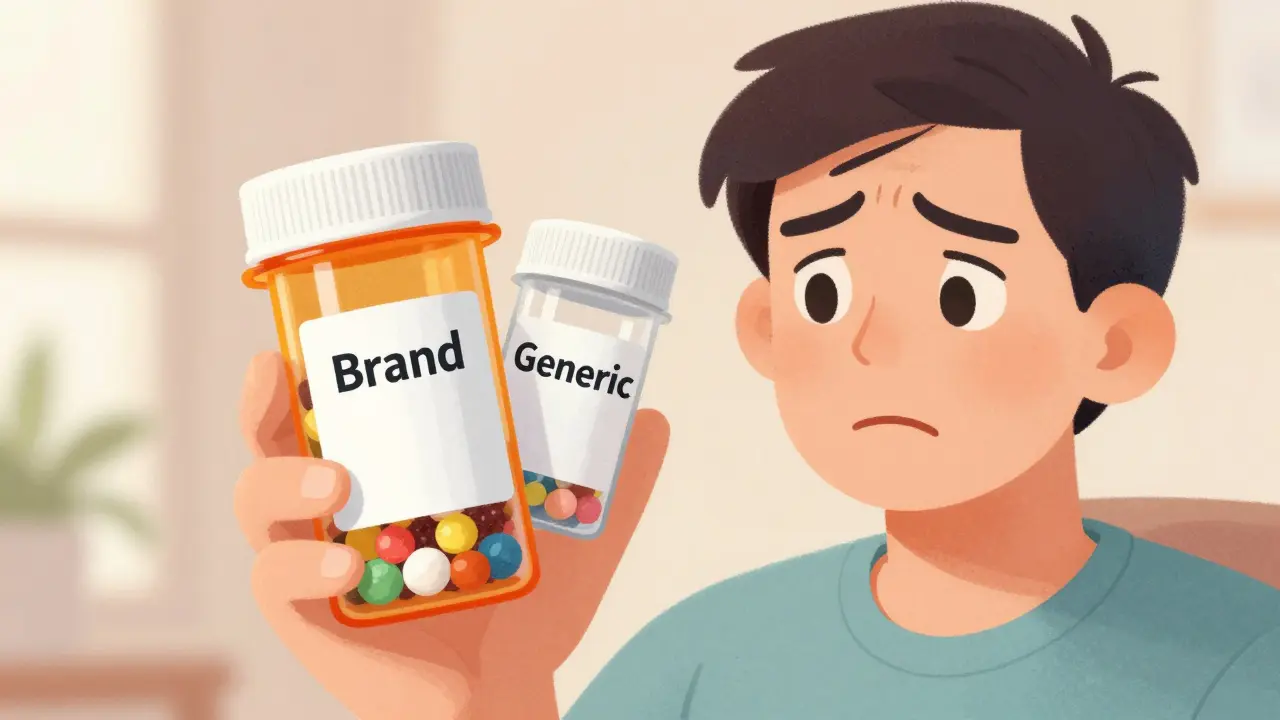
Did you know that roughly 90% of all prescriptions filled in the United States are generic medications? For billions of patients, these lower-cost alternatives work perfectly fine. But for a small percentage of people, switching from a brand-name drug to a generic-or even swapping one generic manufacturer for another-can trigger unexpected and sometimes severe side effects. If you’ve recently switched meds and feel worse, you aren’t imagining things. You might be reacting to invisible differences in how your pill is made.
The Hidden Ingredients: Why Generics Can Feel Different
To understand why a generic version of a drug might upset your stomach or give you a headache, you have to look past the active ingredient. By law, generic drugs must contain the same active pharmaceutical ingredient (API) as the brand-name version. They also need to meet strict bioequivalence standards set by the U.S. Food and Drug Administration (FDA), ensuring they deliver the same amount of drug into your bloodstream within a specific timeframe.
However, the inactive ingredients-the fillers, binders, dyes, and preservatives known as excipients-can vary wildly between manufacturers. These non-active components make up the bulk of the pill’s structure. For most people, they are harmless. But if you have sensitivities, they can cause real problems.
- Dyes and Colorants: Artificial colors like Red 40 or Yellow 5 are common in generics. Some patients report headaches, rashes, or hyperactivity after taking pills containing these dyes, especially children on ADHD medications.
- Fillers: Gluten or lactose-based fillers can trigger digestive flare-ups in patients with celiac disease or lactose intolerance, even if the active drug doesn’t affect digestion at all.
- Preservatives: In liquid forms like eye drops, preservative differences matter immensely. For example, the branded eye drop Travatan Z uses a preservative called SofZia, while many generic versions use benzalkonium chloride (BAK). Patients sensitive to BAK often experience significant irritation and burning when switched to the generic.
A study published in the Review of Ophthalmology highlighted this exact issue, noting that formulation changes in preservatives can turn a manageable condition into a daily struggle for sensitive eyes. Always check the inactive ingredient list on your prescription bottle if you suspect a reaction.
High-Risk Categories: Narrow Therapeutic Index Drugs
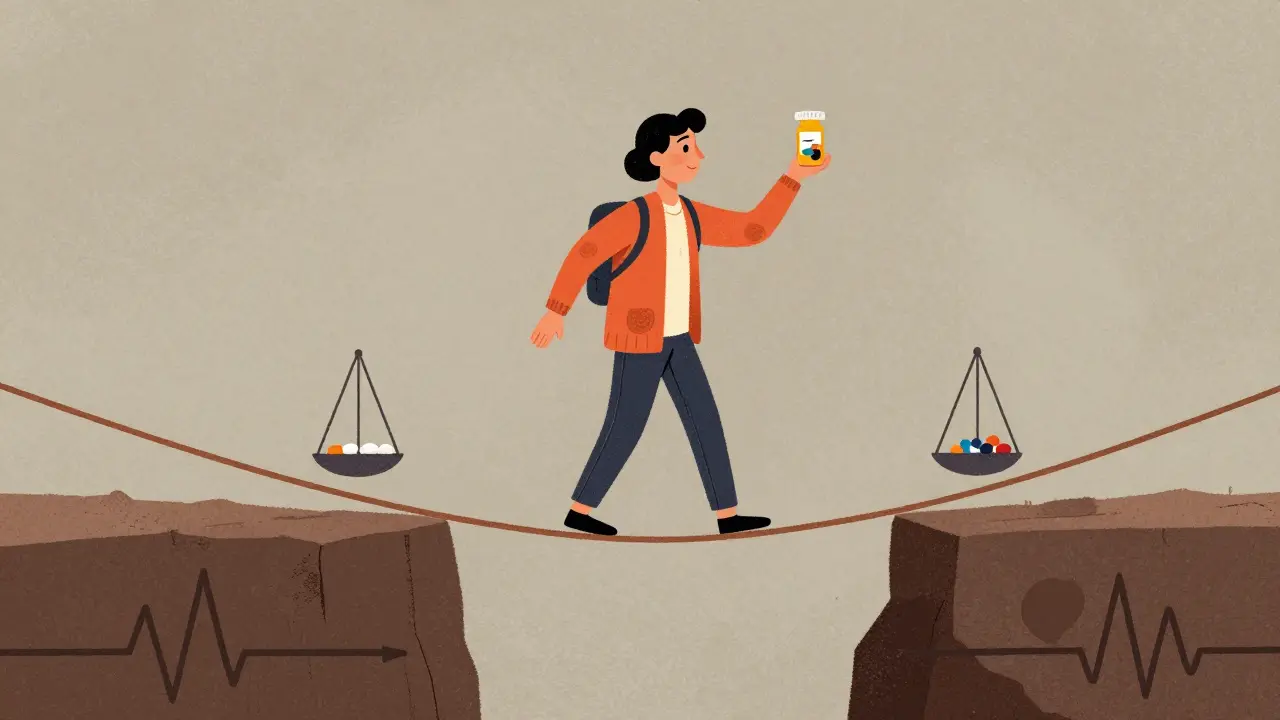
Not all medications carry the same risk when switching brands. The biggest danger zone involves what experts call Narrow Therapeutic Index Drugs (NTIDs). These are medications where a tiny change in blood concentration can lead to serious treatment failure or dangerous side effects. Think of it like walking a tightrope: step too far left, and you’re ineffective; step too far right, and you’re toxic.
The FDA identifies about 18 such medications. Common examples include:
- Warfarin (Coumadin): A blood thinner used to prevent strokes. Small variations can lead to unexpected bleeding or clotting.
- Levothyroxine (Synthroid): Used for thyroid conditions. Variations can cause heart palpitations, anxiety, or fatigue.
- Phenytoin (Dilantin): An anti-seizure medication where consistency is critical to preventing breakthrough seizures.
- Clopidogrel (Plavix): Another blood thinner where efficacy gaps can be life-threatening.
Data from JAMA Internal Medicine shows that nearly 15% of patients taking generic warfarin experienced unexpected bleeding events after switching manufacturers, compared to just over 4% of those staying on consistent brand-name supplies. Similarly, a GoodRx analysis found that 23.7% of thyroid patients reported new or worsening side effects after switching to generic levothyroxine. If you take an NTID, do not assume all generics are created equal. Consistency in manufacturer matters.
| MEDICATION CLASS | RISK LEVEL | COMMON SIDE EFFECTS UPON SWITCH | RECOMMENDED ACTION |
|---|---|---|---|
| Narrow Therapeutic Index (e.g., Warfarin, Levothyroxine) | HIGH | Bleeding, palpitations, seizures, mood swings | Request "Dispense as Written" from doctor; monitor levels closely |
| Psychiatric (e.g., Adderall, Antidepressants) | MODERATE TO HIGH | Anxiety, irritability, stomach pain, headaches | Track symptoms for 1-2 weeks; consult psychiatrist if severe |
| Cardiovascular (e.g., Statins, Blood Pressure meds) | MODERATE | Swelling, muscle pain, dizziness | Monitor blood pressure; report persistent swelling |
| General Pain/Antibiotics | LOW | Mild GI upset, minor rash | Usually resolves in a few days; seek help if rash spreads |
Manufacturing Quality and Global Supply Chains
Where your pill is made plays a surprising role in its safety. About 73% of active pharmaceutical ingredients for generic drugs are manufactured outside the United States, primarily in India and China. While the FDA enforces Good Manufacturing Practices (GMPs), oversight varies significantly across international facilities.
This vulnerability became starkly clear during the 2018-2019 valsartan recall. Approximately 2.3 million patients across 22 countries were affected because some generic manufacturers’ supply chains were contaminated with NDMA, a probable human carcinogen. This wasn’t a case of different fillers causing a headache; it was a manufacturing error that posed a long-term cancer risk.
Even without contamination, quality control lapses can lead to inconsistent drug release rates. A 2022 Government Accountability Office report noted that inspection delays at foreign facilities can impact the reliability of quality checks. When you buy a generic, you are trusting a complex global network. If you notice your medication looks different in size, shape, or color from month to month, it may indicate a change in manufacturer-and potentially a change in performance.
Recognizing the Warning Signs: When to Act
So, how do you know if your new generic is the culprit? The key is timing. Dr. Robert H. Shmerling from Harvard Health Publishing notes that psychological expectation can amplify perceived side effects, but physical reactions usually follow a pattern. If a new symptom starts within 1 to 2 weeks of switching medications and does not resolve within 3 to 5 days, it is worth investigating.
You should contact your healthcare provider immediately if you experience:
- Severe gastrointestinal distress lasting more than 48 hours (vomiting, severe diarrhea).
- New neurological symptoms like tremors, confusion, or severe headaches.
- Significant changes in vital signs, such as a heart rate increase of more than 15% from your baseline or sudden spikes in blood pressure.
- Unexplained skin reactions, including rashes, hives, or blistering.
Some reactions require emergency care. Look out for signs of Stevens-Johnson Syndrome (SJS), a rare but life-threatening skin reaction characterized by painful red or purple skin that spreads and blisters. Also, watch for priapism, a painful erection lasting more than four hours, which has been linked to certain generics of trazodone and bupropion. These are medical emergencies.
Advocating for Your Health: Practical Steps
If you suspect a generic switch is causing issues, don’t just stop taking the medication abruptly. That can be dangerous, especially for heart, seizure, or psychiatric drugs. Instead, take these steps:
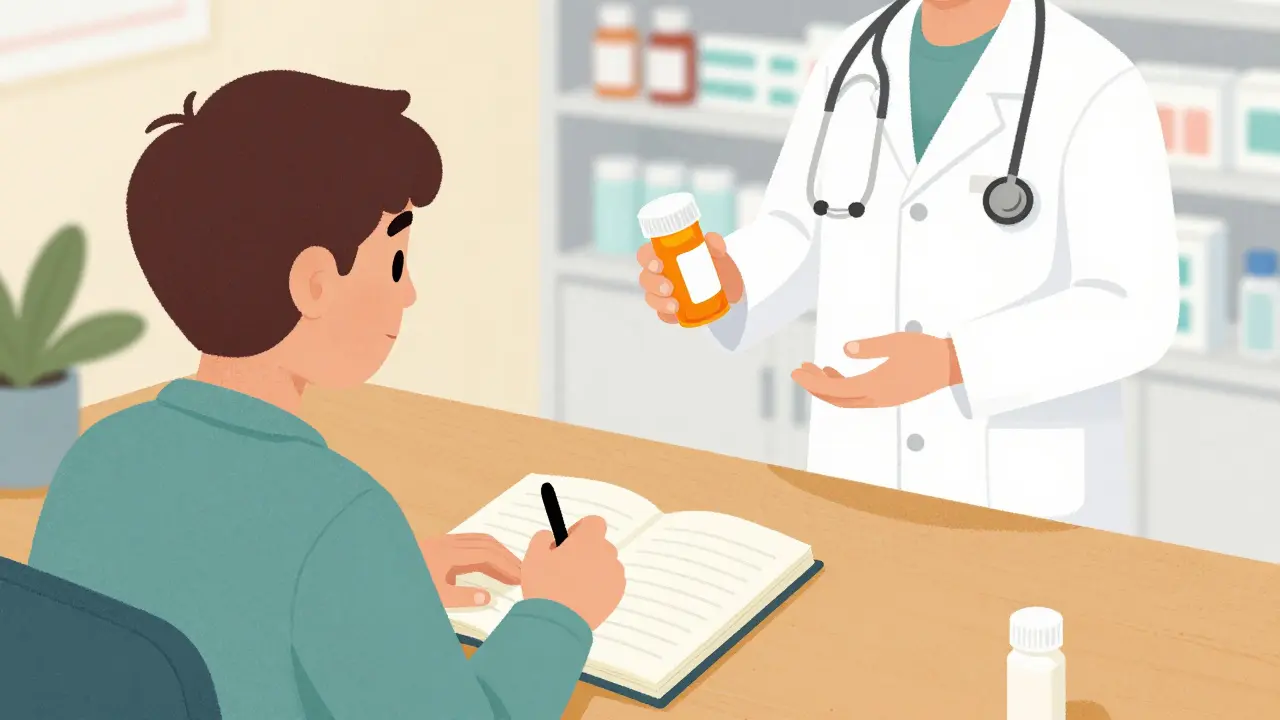
- Document the Manufacturer: Check your prescription bottle. It lists the National Drug Code (NDC) and the manufacturer name. Keep a log of which manufacturer’s version caused the problem.
- Talk to Your Pharmacist: Pharmacists can often tell you if there are alternative generic manufacturers available in their system. Sometimes, simply switching to a different generic brand solves the issue.
- Contact Your Prescriber: Report the specific symptoms. Ask for a “Dispense as Written” (DAW) code if you need to stay on the brand name or a specific generic that worked previously. Insurance companies often require justification, so having documented side effects helps.
- Report to the FDA: You can submit an adverse event report through the FDA’s MedWatch program. This data helps regulators identify patterns and potentially pull problematic batches from the market.
A 2023 Johns Hopkins study found that physicians who documented specific generic manufacturers that worked well for individual patients reduced side effect-related discontinuations by nearly 38%. Keeping records empowers you to get the right treatment without unnecessary trial and error.
Frequently Asked Questions
Are generic medications always safe?
Yes, generic medications are generally safe and effective. The FDA requires them to be bioequivalent to brand-name drugs, meaning they deliver the same active ingredient in the same amount and speed. However, because inactive ingredients (excipients) can differ, a small percentage of patients may experience side effects due to allergies or sensitivities to fillers, dyes, or preservatives.
What should I do if my generic medication gives me a headache?
If the headache started shortly after switching to a generic and persists for more than a few days, contact your doctor or pharmacist. It could be a reaction to a dye or filler in the generic version. Your pharmacist may be able to switch you to a different generic manufacturer with different inactive ingredients, or your doctor may prescribe the brand name.
Can I switch back to the brand-name drug if the generic doesn't work?
Yes, but it may cost more. Insurance plans often prefer generics. To switch back, ask your doctor to write the prescription with a "Dispense as Written" (DAW) or "Brand Medically Necessary" notation. You will likely need to explain the side effects you experienced with the generic to justify the higher cost to your insurance provider.
Why do some generics look different from others?
Different manufacturers use different shapes, sizes, colors, and markings to distinguish their products and avoid patent infringement issues. While the active ingredient is the same, the inactive ingredients (binders, coatings, dyes) vary. This is normal, but if you notice a sudden change in appearance from your usual refill, it means the pharmacy switched manufacturers, which could potentially affect how your body reacts.
What are Narrow Therapeutic Index (NTI) drugs?
NTI drugs are medications where a very small difference in blood concentration can lead to serious health risks or treatment failure. Examples include warfarin (blood thinner), levothyroxine (thyroid hormone), and phenytoin (anti-seizure). Because of this sensitivity, patients on NTI drugs should be particularly cautious when switching between brand and generic versions, or between different generic manufacturers, and should have their blood levels monitored closely.
How long should I wait to see if side effects go away after switching generics?
Experts recommend waiting 3 to 5 days to see if mild side effects resolve as your body adjusts. If symptoms persist beyond a week, worsen, or include severe reactions like rash, breathing difficulties, or significant changes in heart rate, you should contact your healthcare provider immediately. Do not stop taking essential medications without medical advice.